Most of my 2024 was dedicated to organizing the sources—also referred to as evidence—for my doctoral thesis, which I had gathered up to that point. As many of you already know, my research is based on a historical reconstruction through epistolary exchanges, aiming to identify and reconstruct the professional and personal trajectories of three Chilean composers exiled in Europe during the second half of the 20th century. So far, I have managed to compile over a hundred documents thanks to various libraries, archives, and, most notably, the personal documentation of Gabriel Brnčić and his wife Teresa, who reside in Barcelona. During my research stay, funded by an ERASMUS+ scholarship from the University of Cologne, I had the opportunity to visit them and examine the documents they have preserved in their home.
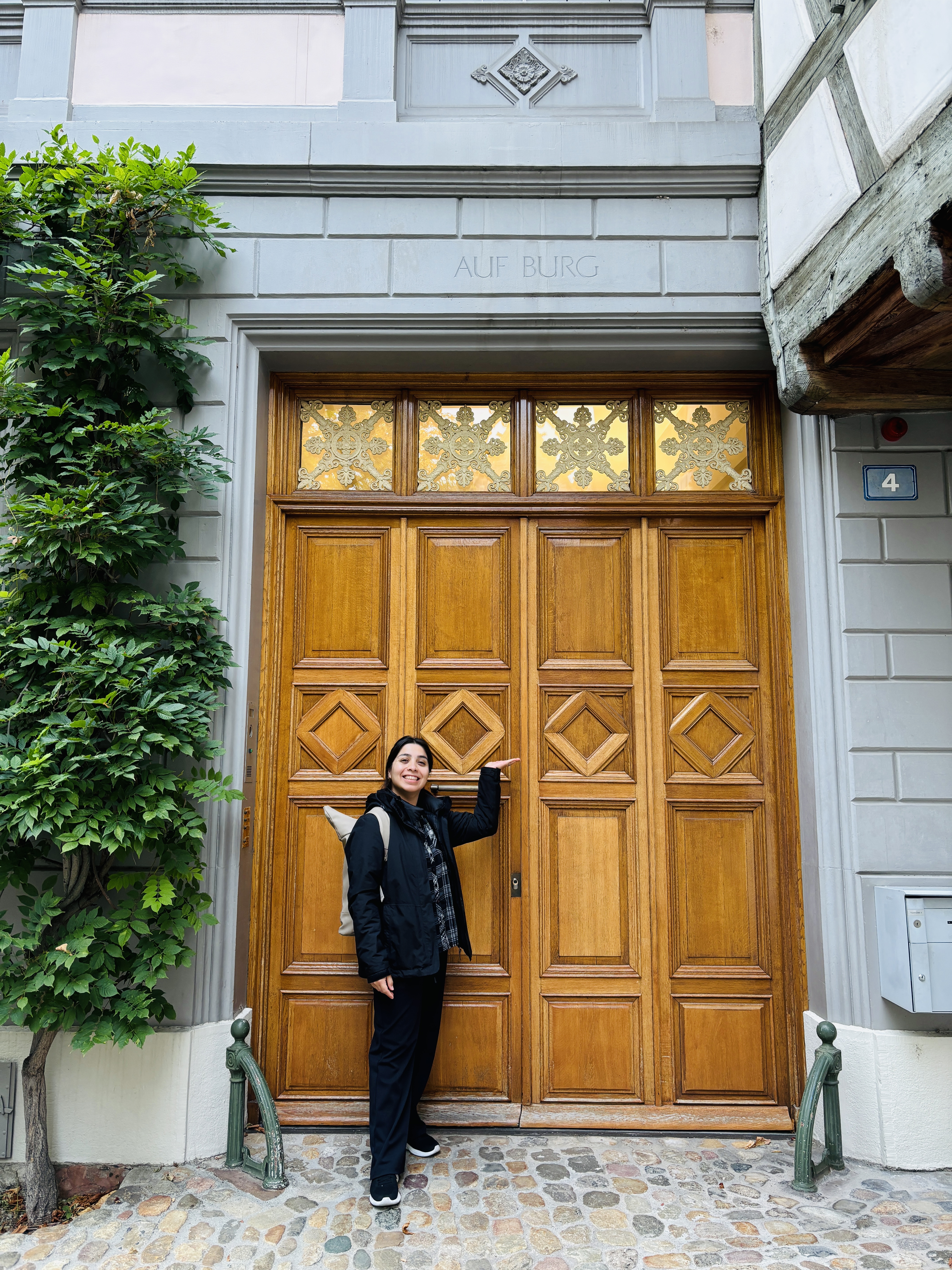
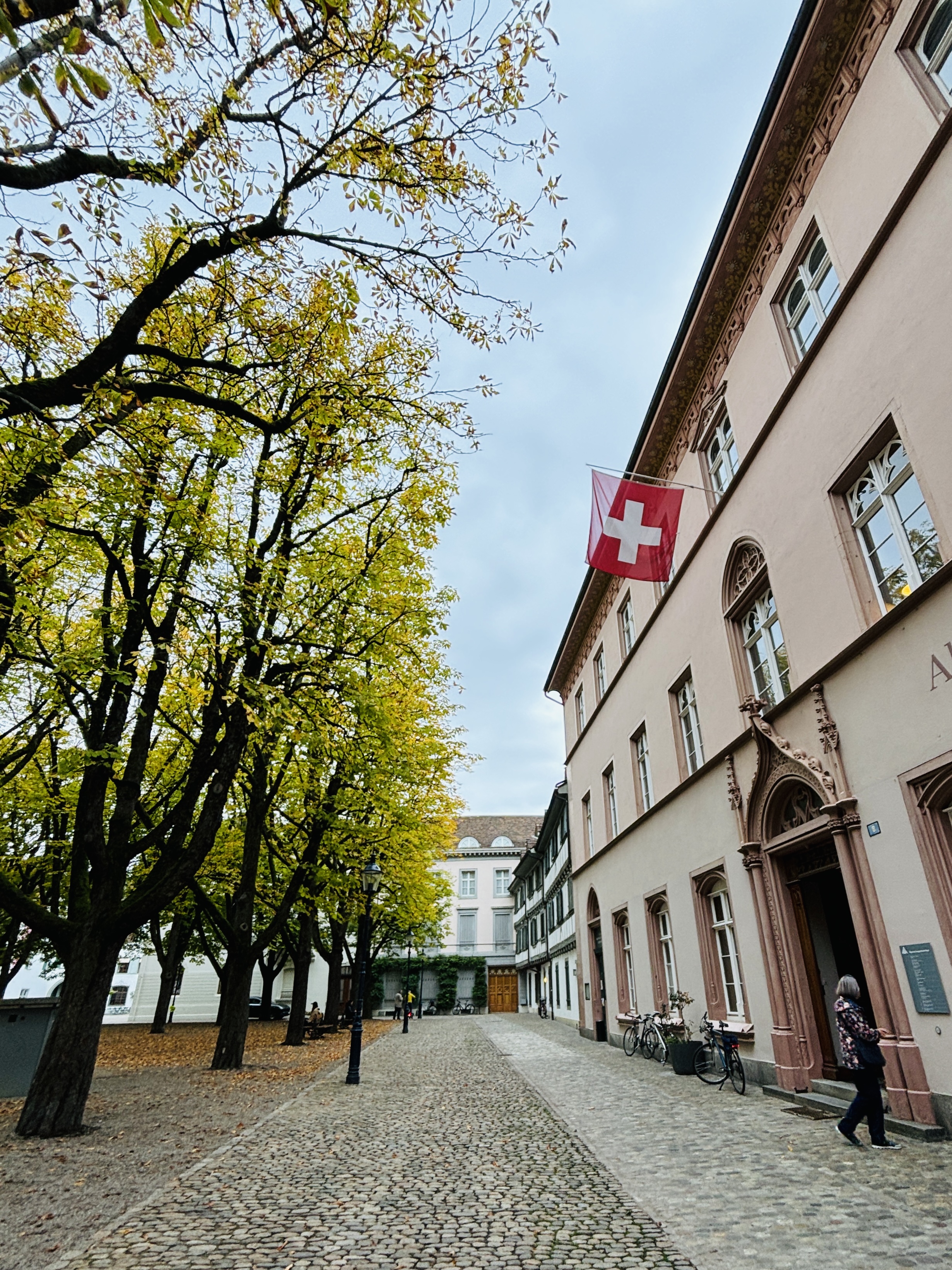
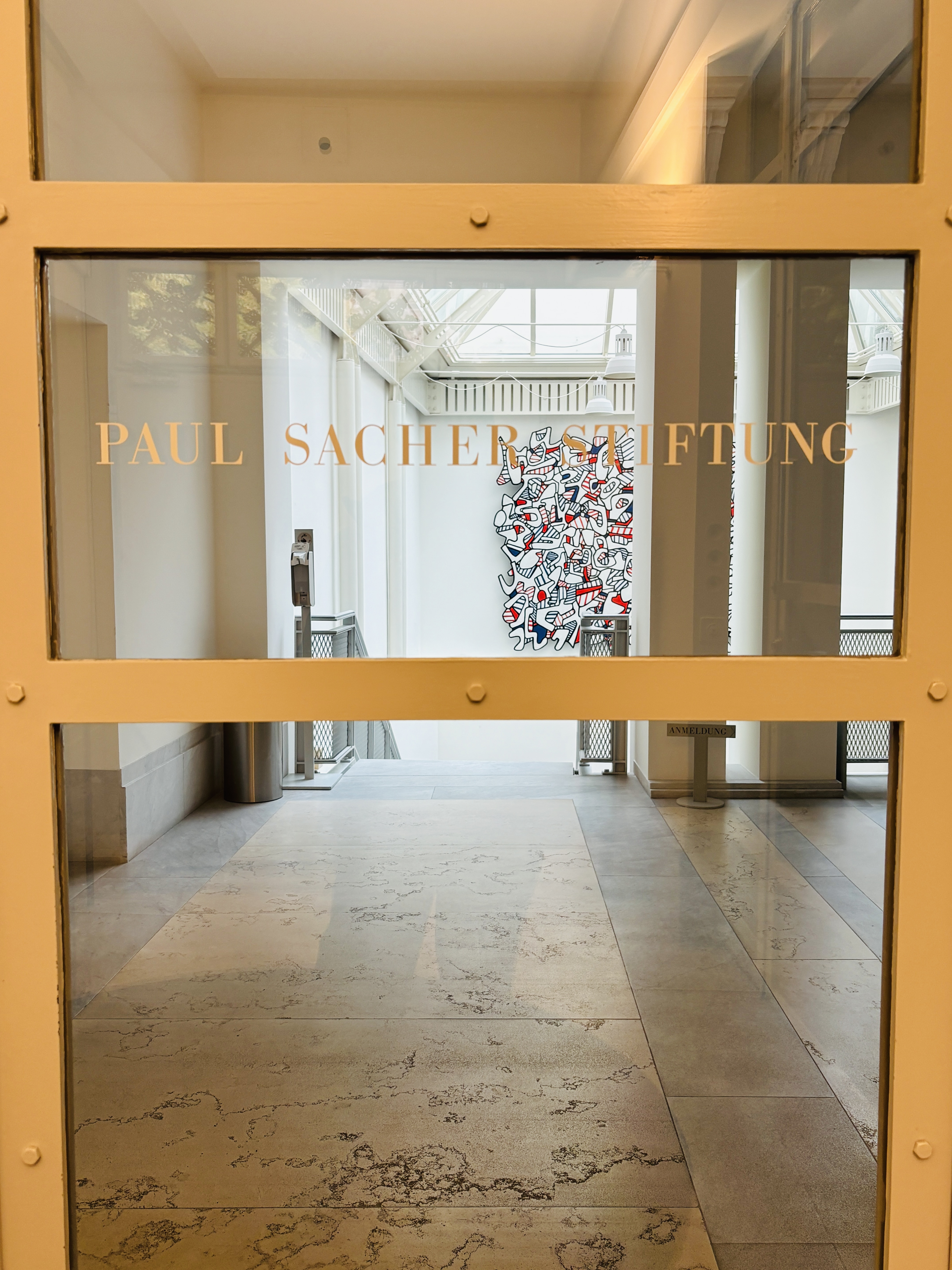
During one of my many reviews of the letters, I decided to conduct a new online search to see if I could find additional material or if I had overlooked a webpage. That’s when I discovered that there was something listed in the digital catalog of the Paul Sacher Foundation. After a brief search and an exchange of emails with the foundation’s staff to verify the information, I confirmed that they would not provide any digital materials. Given this, my husband and I decided to make a short visit to the archive in Basel, Switzerland, as we had already planned a trip to southern Germany in October. Crossing the border from Oberstdorf into Switzerland was quite easy, and the entire journey took approximately 3 hours and 45 minutes. The foundation is located in the heart of Basel, in the cathedral square. Upon arrival, we were warmly welcomed and given an overview of how the institution operates, with special emphasis on the requirement to leave the building during the lunch break at 12:00. They also explained the protocols we needed to follow when examining materials from the special collections, which are housed on the first basement level of the building. The foundation also has a main library, various reading rooms, offices, storage areas, and a specially climate-controlled repository where the original documents are preserved.
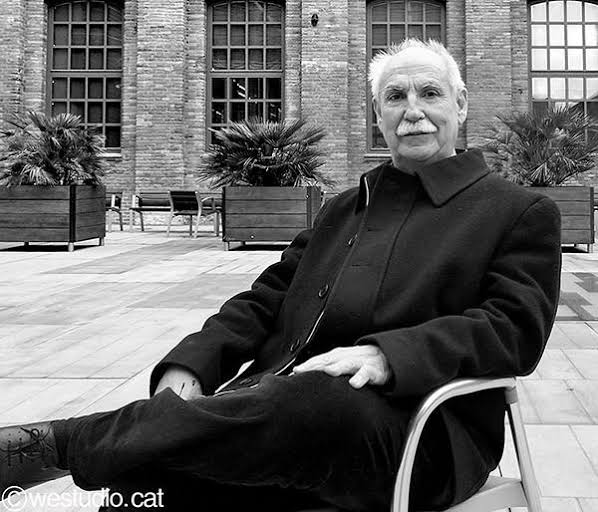
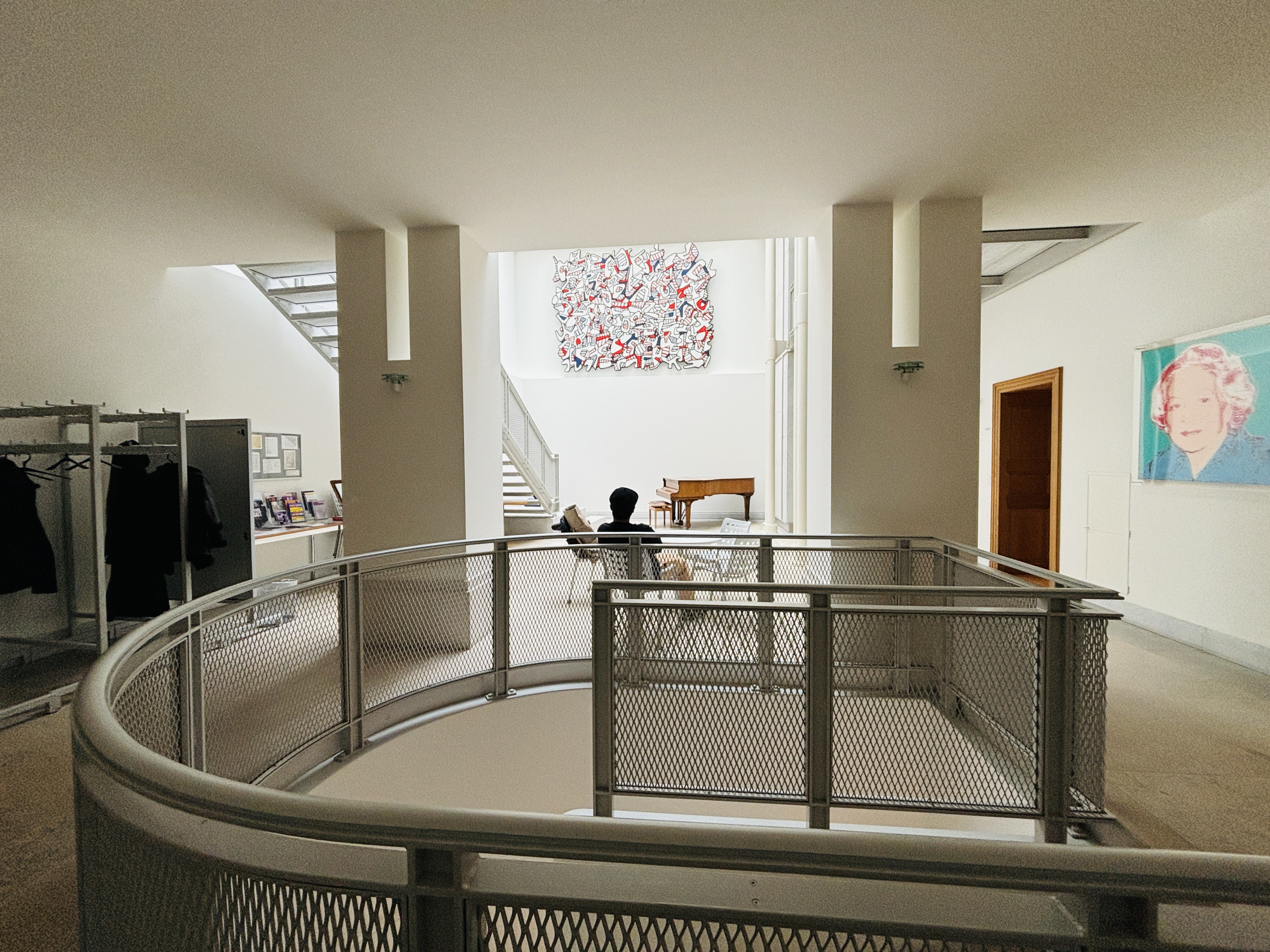
But who was Paul Sacher, really? I kept asking myself this throughout the visit, as I knew little about him until that moment. Sacher was a Swiss conductor and musicologist, born and raised in Basel (1906–1999). Although he founded the Basler Kammerorchester (Basel Chamber Orchestra) in 1926, the Zurich Chamber Ensemble, and later the Schweizerisches Kammerorchester (Swiss Chamber Orchestra), he is primarily remembered for his significant influence as a patron of the arts, having commissioned numerous works from composers of his time. Coming from a modest family, his life changed when he married Maja Hoffmann-Stehlin, widow of Emanuel Hoffmann, son of Fritz Hoffmann, the founder of the pharmaceutical company Roche, now globally renowned. Emanuel Hoffmann died in a car accident, leaving Maja in charge of the company. Upon marrying her—a philanthropist, sculptor, and art collector—Sacher gained access to Roche’s administration. Over time, he secured a majority position in the company, making him one of the richest men in Europe after World War II. Sacher’s high-ranking position at Roche facilitated his role as a patron of the arts, and his circle of friends included some of the most influential composers of the 20th century. Upon entering the foundation’s building, a portrait in the main hall caught my attention—the colors and brushstrokes seemed familiar. As I approached, I realized it was a portrait of Maja Sacher, painted by none other than Andy Warhol. Although I knew little about the Sacher family’s private lives, the painting’s presence made me grasp their immense significance in 20th-century Western Europe.
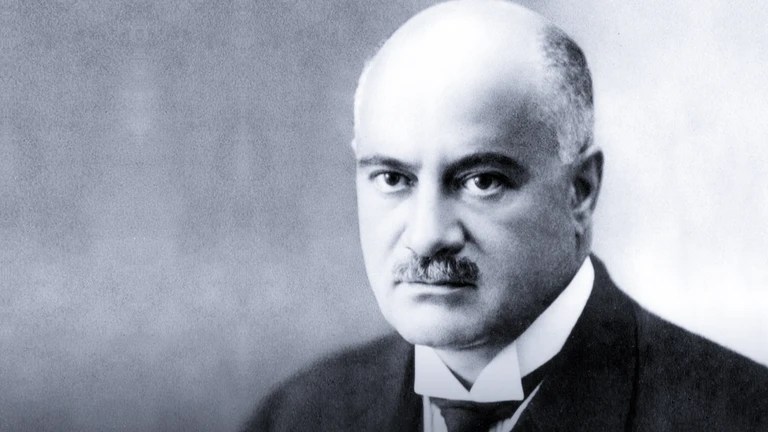
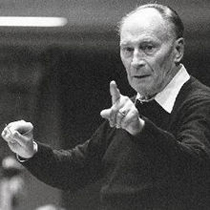
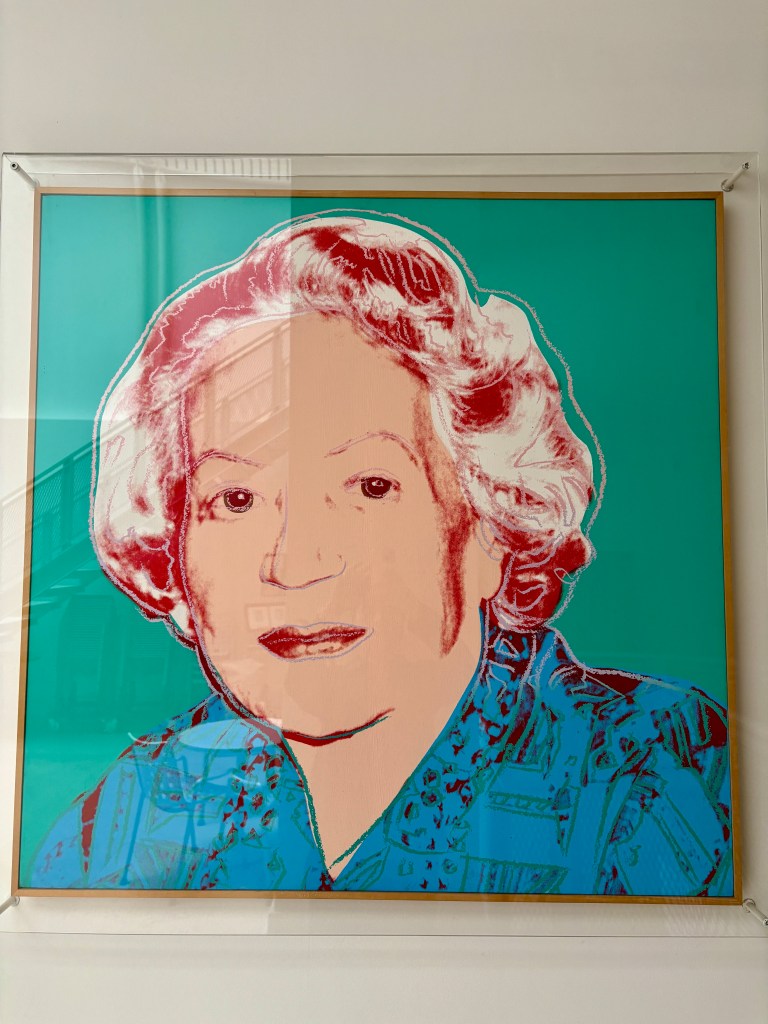
1. Fritz Hoffmann-La Roche, founder of the pharmaceutical company Roche, https://www.roche.es/sobre-roche/historia-roche
2. Paul Sacher, https://www.paul-sacher-stiftung.ch/en/about-us/paul-sacher.html
3. Maja Sacher by Andy Warhol, 1980, Paul Sacher foundation.
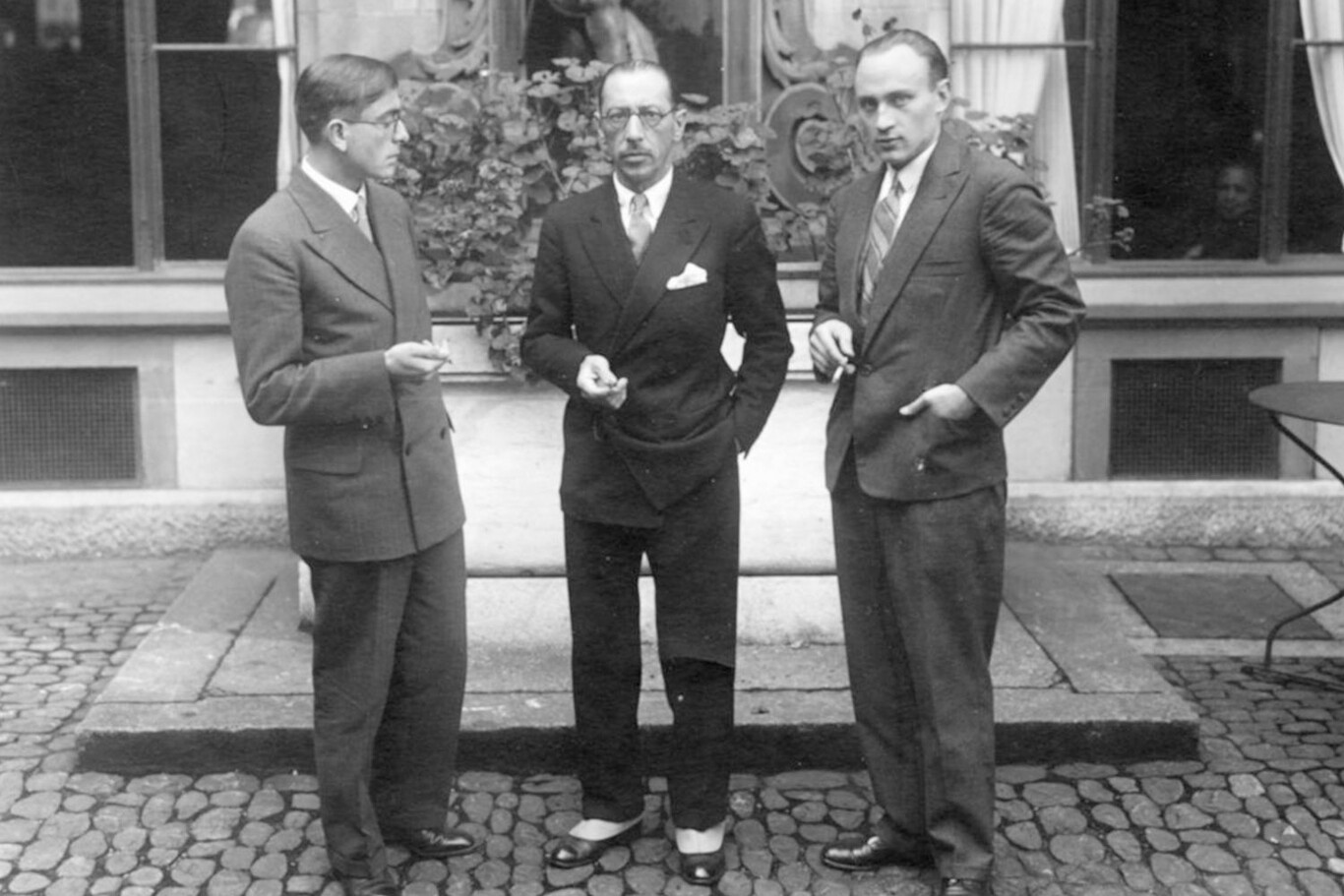
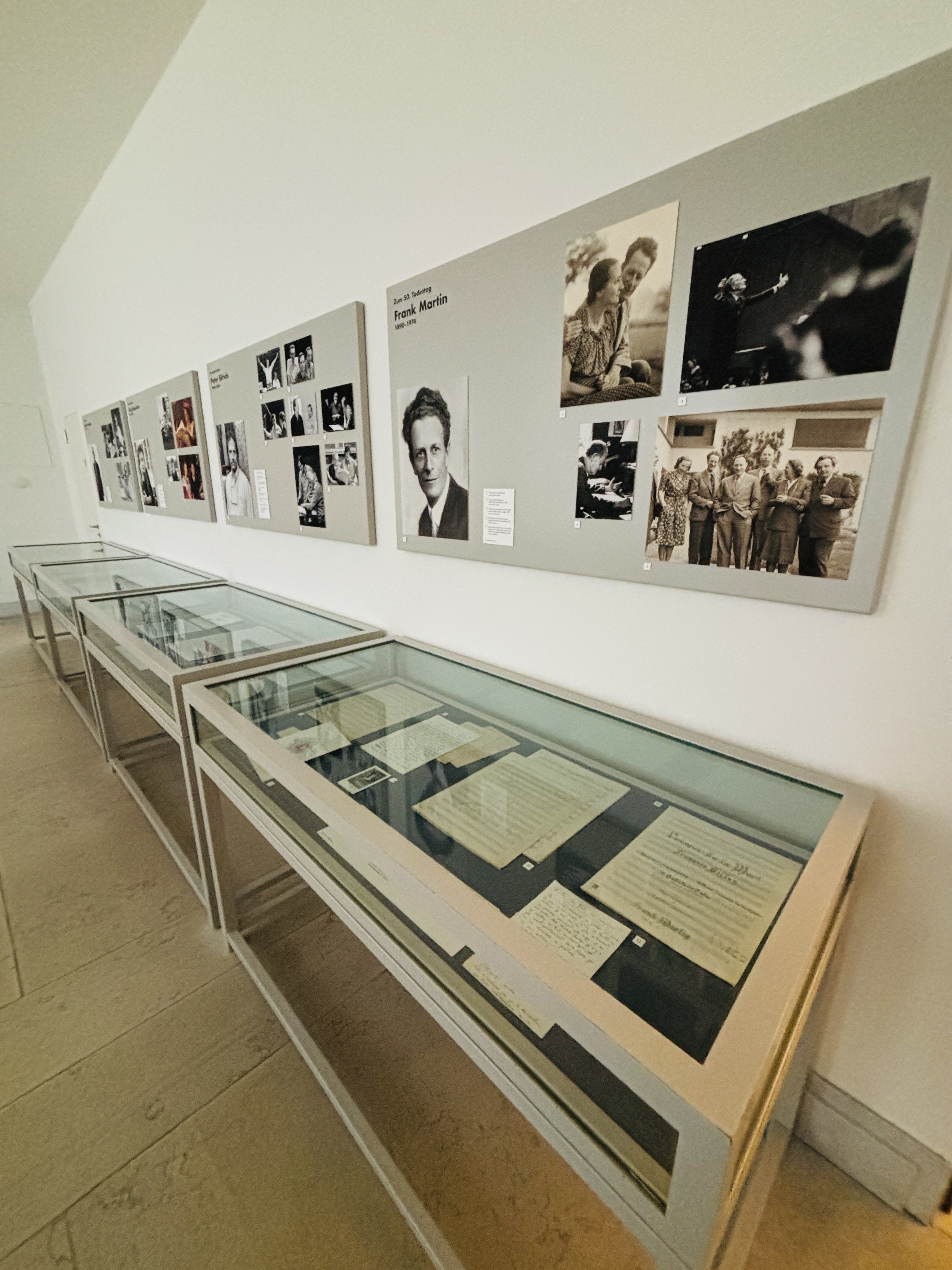
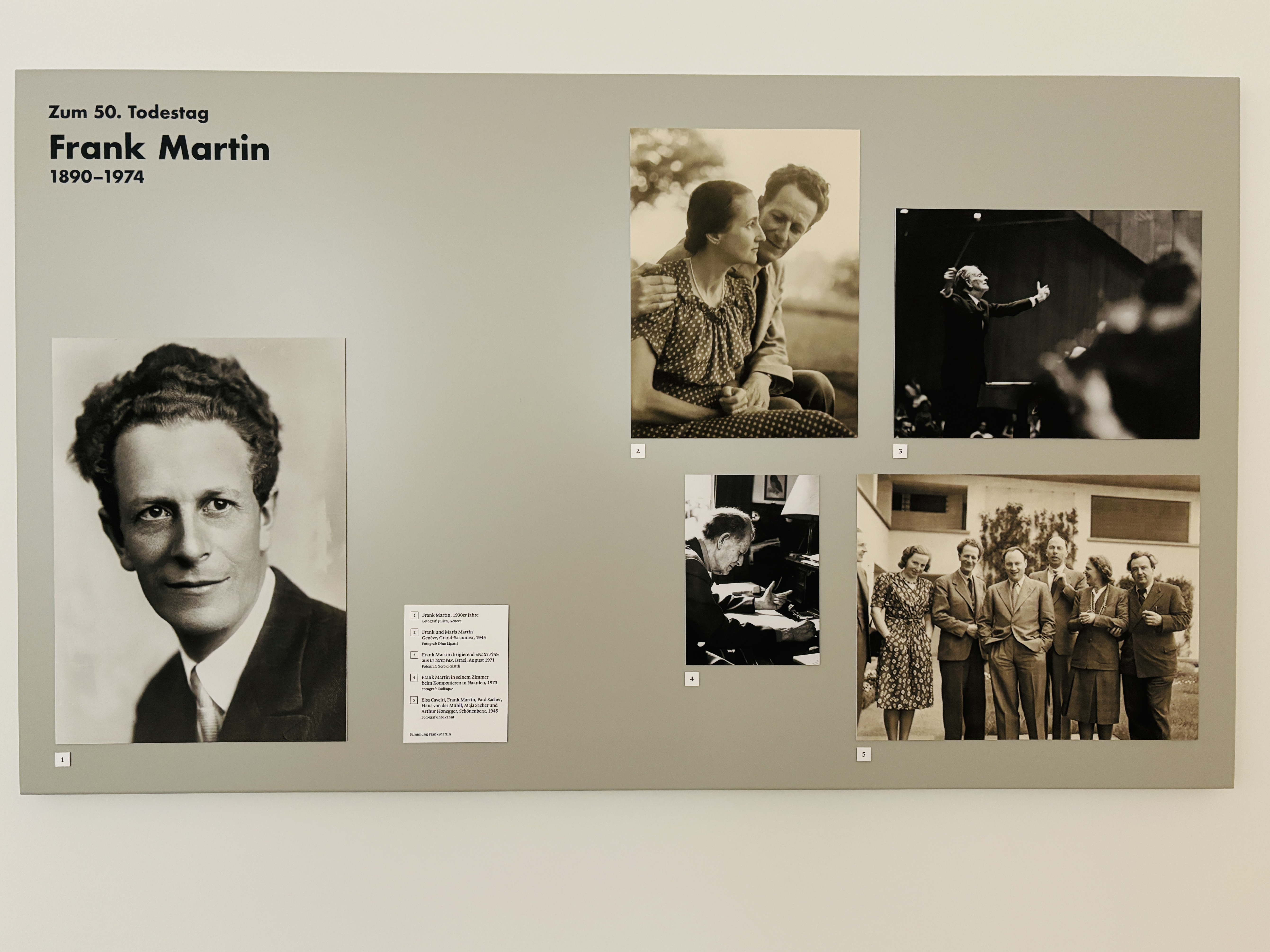
In 1973, Paul Sacher established a foundation to preserve his music library, which soon expanded as he continued acquiring scores and manuscripts throughout his life. His significant wealth from the pharmaceutical company Roche allowed him to fully dedicate himself to music and explore various artistic and patronage activities, which he pursued with great intensity while maintaining his role as a conductor. Sacher commissioned works from contemporary composers and devoted himself to performing them with his orchestra, presenting them on concert tours, and promoting them through recordings and radio broadcasts. As I walked down the stairs toward the foundation’s main hall, I came across a glass display table where manuscripts were meticulously preserved. As I got closer, I noticed letters from Pierre Boulez, Peter Eötvös, and Karlheinz Stockhausen, as well as the original manuscript of Frank Martin’s Sonata in G Minor. It was no surprise, given that Sacher had commissioned works from many of the most influential composers of the 20th century, including Paul Hindemith, Béla Bartók, Luciano Berio, Benjamin Britten, and, of course, Igor Stravinsky. The relationship between Sacher and Stravinsky began as a professional collaboration and later evolved into a friendship. It is no coincidence that in 1983, the foundation acquired Stravinsky’s entire estate, an event that greatly enriched Sacher’s collection and solidified it as one of the foremost European centers for the study of 20th-century music.
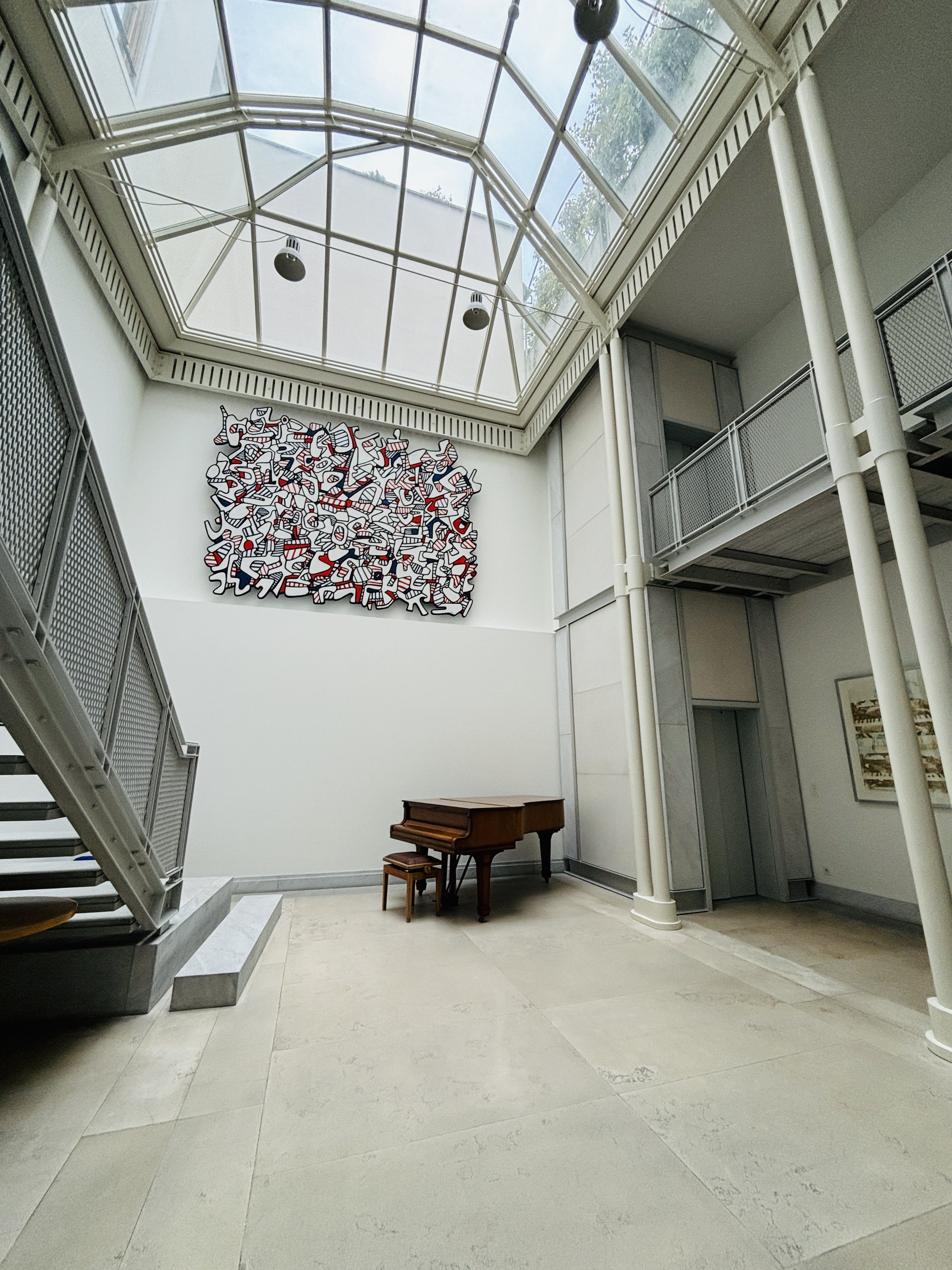
As I mentioned earlier, the foundation is located in an old building in Basel’s historic center. Although the structure retains its original exterior, the interior is minimalist and functional, featuring a design representative of 20th-century architecture. A metal staircase leads to a spacious foyer with a glass ceiling and a grand piano—a space that reflects the sober and practical style characteristic of European architecture. The main reading room is situated on the lower floor, where most materials are stored, while the archives I needed to review were located in the basement. Upon our arrival, everything was prepared, and we were assigned a table to work at. The foundation’s organizational system proved efficient, as the documents were easy to find and in excellent condition. Due to the volume of material I needed to transcribe and the limited time available in the archive, my husband assisted me with the typewritten letters, which were easier to decipher for someone whose native language is not Spanish. Meanwhile, I focused on the more challenging items, typically handwritten or those whose paper had deteriorated over time.
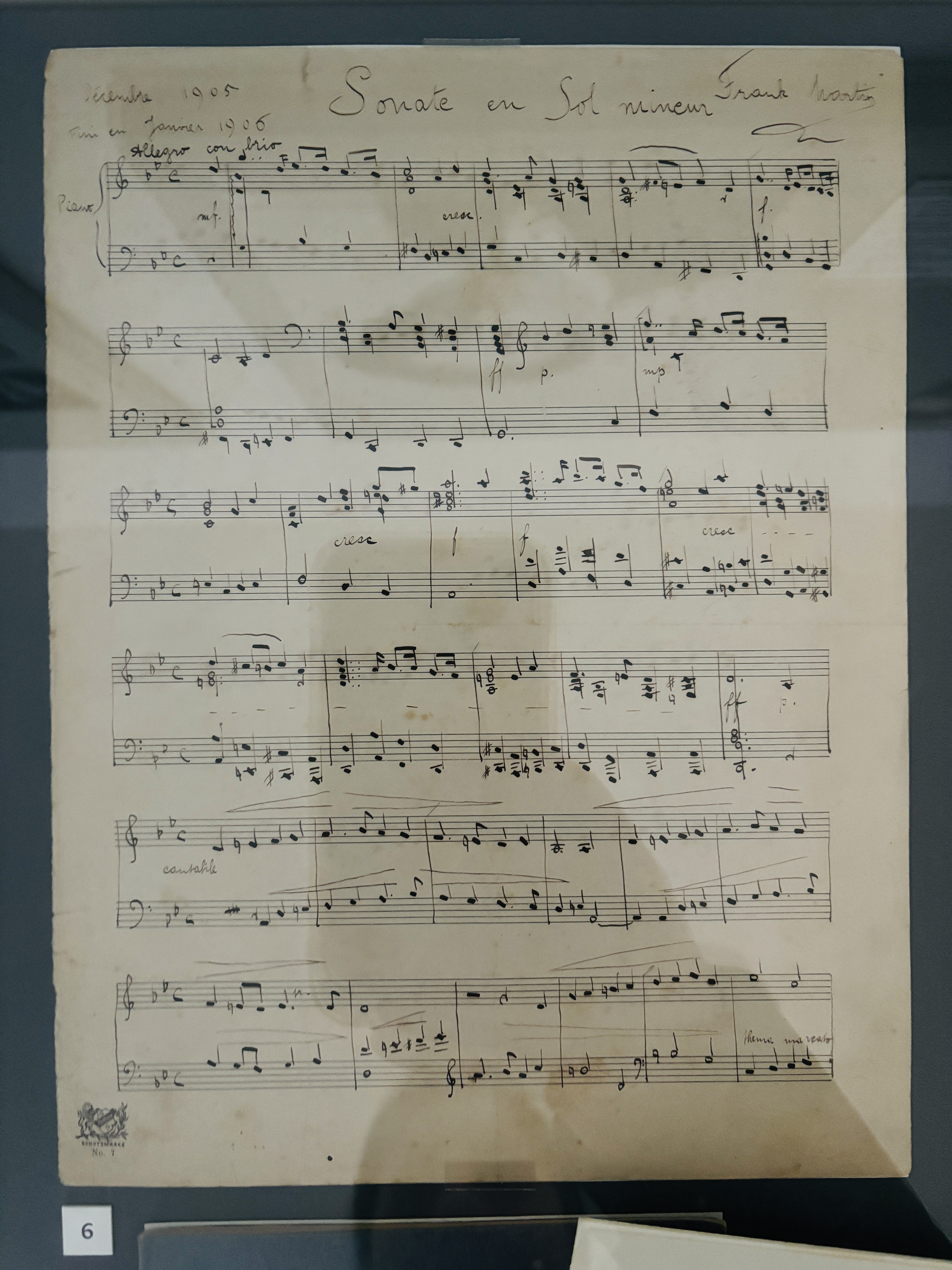
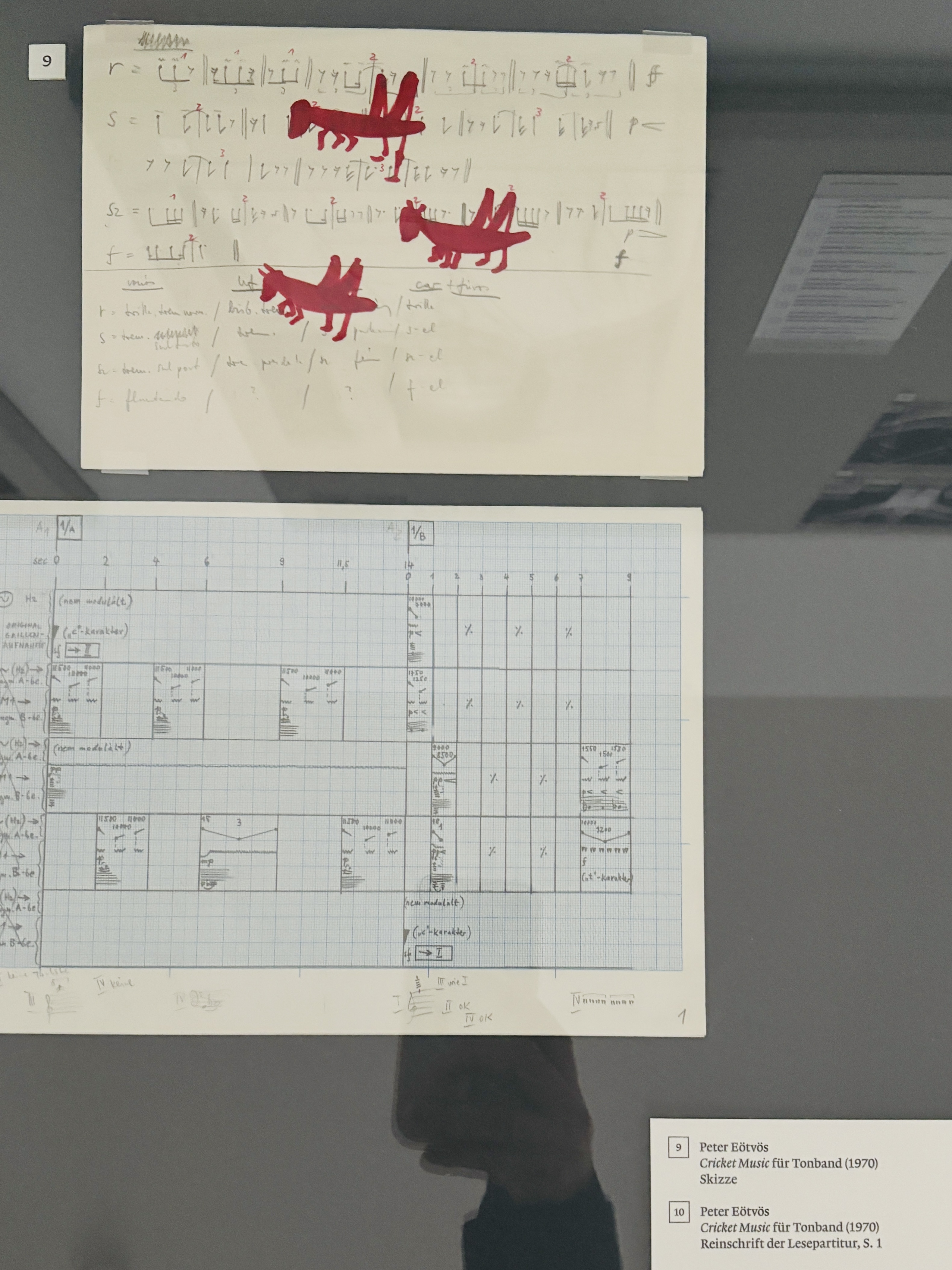
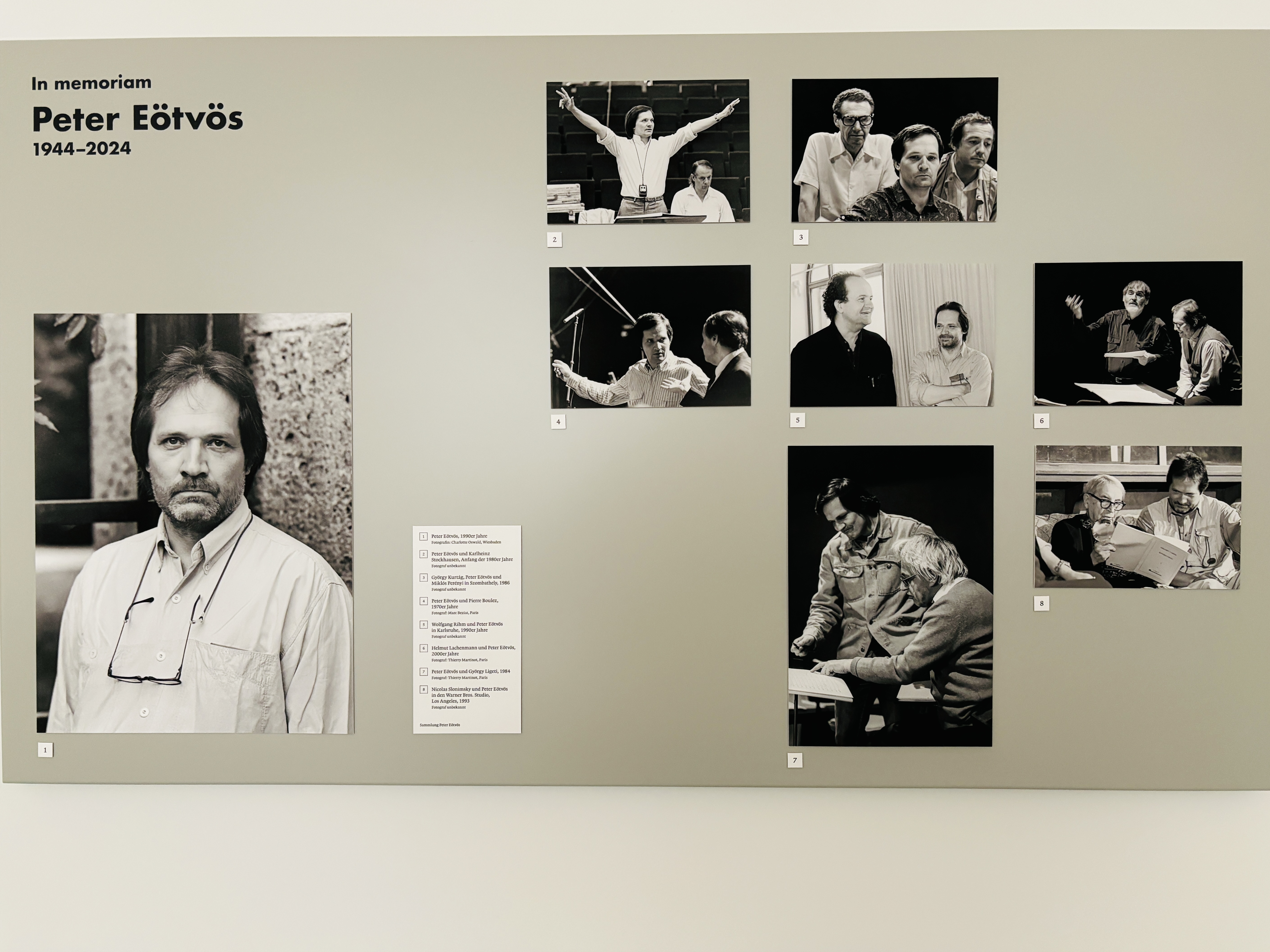
As we transcribed the documents swiftly, trying to minimize the risk of errors since we weren’t even allowed to take photos of them, I couldn’t help but wonder why there are still libraries and archives that haven’t digitized their materials. Throughout the years I’ve spent pursuing my doctorate and researching in historical archives of various kinds, the lack of digitized materials has posed the biggest challenge I’ve faced. One might assume that after experiencing a pandemic—during which work, education, and social interactions shifted to digital spaces—academic institutions would have fully embraced digitization and the advantages it offers for sharing valuable materials. However, at least in Central Europe and Chile, this hasn’t been the case. Each time I’ve contacted a library to request materials, the typical response is that I must go there in person to access them. In some instances, even the librarians themselves are unaware of what is stored in their archive boxes. Despite emphasizing that I am a researcher based in Germany, many archives do not even offer the option to scan the materials. Nowadays, there are countless ways to digitize documents, and, in fact, sophisticated equipment is not even necessary for this process. As I transcribed and tried not to dwell on all the work I could have avoided if the letters had been digitized, I noticed that at the table next to me, a fellow musicologist was painstakingly copying a large-format orchestral manuscript by hand, striving to reproduce it as accurately as possible for her research. In a way, this made me appreciate how much easier my task was compared to hers.
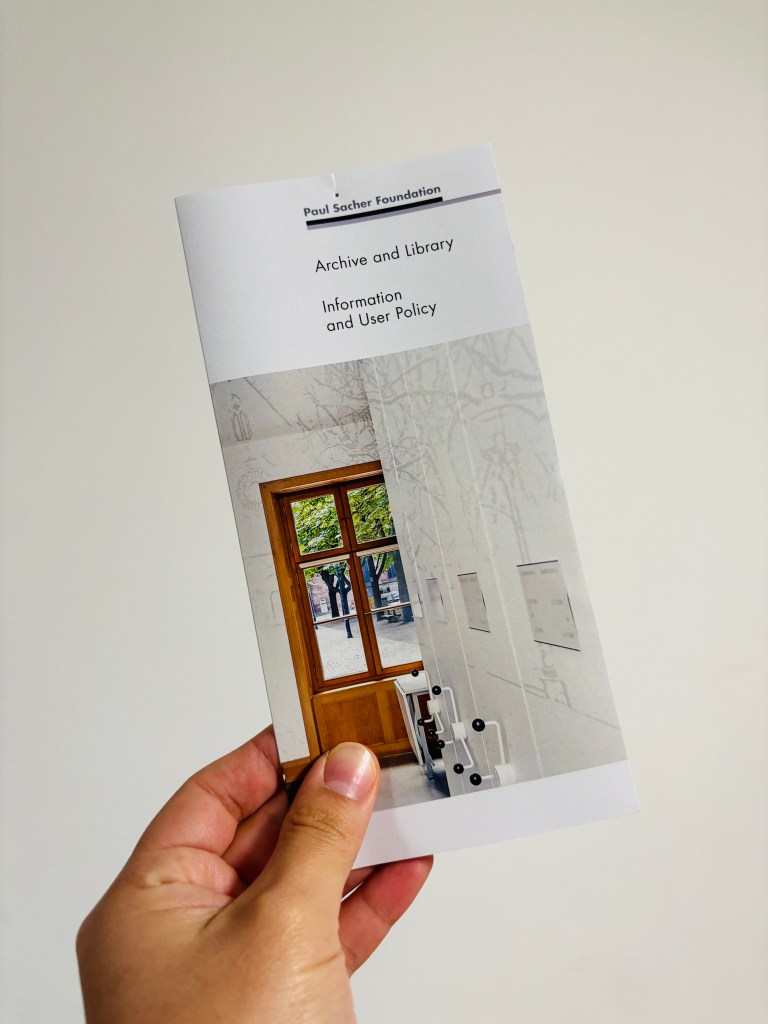
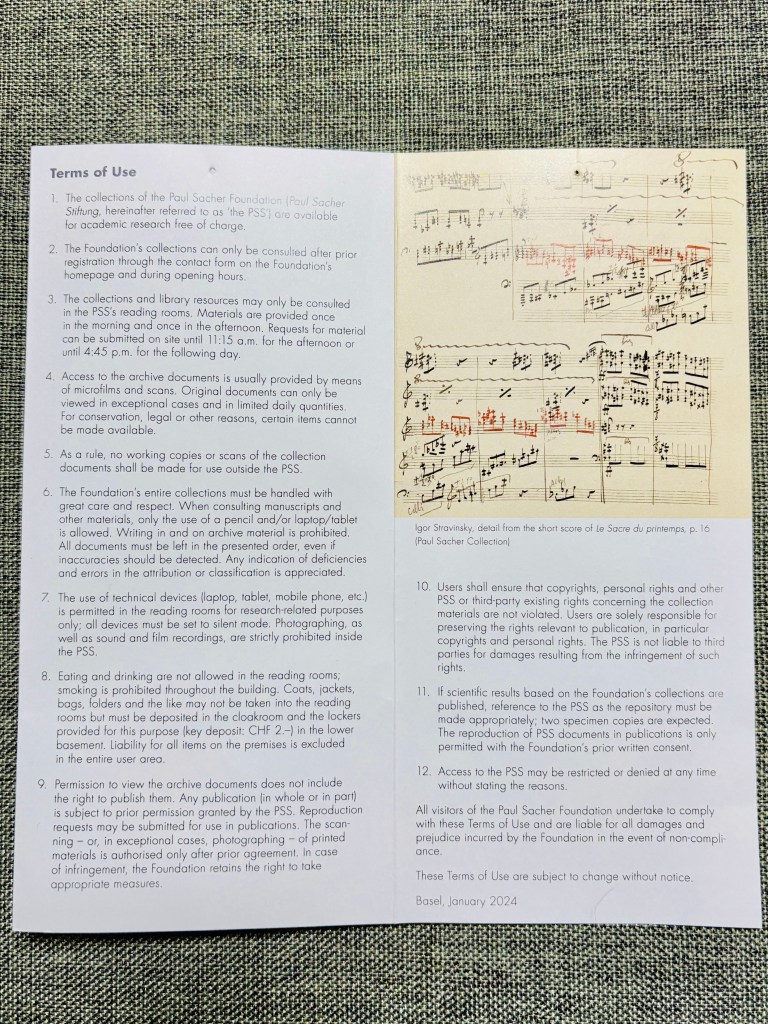
This is the foundation’s brochure, which we received upon arrival. Inside, you can read the terms of use for the building’s materials, with a strong emphasis on the prohibition of scanning, copying, or photographing them. In the top right corner, there is a picture of Stravinsky’s manuscript of his renowned Le Sacre du Printemps, p. 16 (The Rite of Spring).
In 1996, Forbes magazine ranked Paul Sacher as the third richest man in the world, in a list led by Bill Gates.1 Beyond his fortune, it is essential to recognize his role as a benefactor of the arts, as he supported numerous composers of his time. The promotion and dissemination of the works he commissioned reflect his deep passion for new music. Visiting the archive in Basel was an invaluable experience and a significant step forward in my research. However, the lack of digitization in the archive in the 21st century seems contradictory to Sacher’s vision. He was a man ahead of his time who recognized the value of contemporary music when not everyone did. At the time, acquiring so many manuscripts may have represented a major investment for him; nevertheless, he chose to make it, and over time, these documents have only increased in value.
The Paul Sacher Foundation, regarded as one of the most significant centers for studying 20th- and 21st-century music, along with numerous other institutions that hold large archives, should adapt to contemporary times and reconsider the concept of an archive in the digital age. I struggle to understand why some institutions opt not to digitize their materials. They likely do so with the intention of preserving them or avoiding major legal issues. However, in my view, these documents would be better protected if they were digitally accessible, with only a small group of people who genuinely need them being able to consult and handle them in person. Nonetheless, I truly believe this reluctance stems from the overwhelming task of scanning documents page by page. Regardless of the reasons, it is undeniable that, in today’s context, maintaining a mindset rooted in the libraries of the last century fails to meet international standards, especially when compared to major archives in the United States, which boast impressive digital catalogs. In some instances, when materials are not digitized, these institutions offer to scan and send them, while the most common response I receive from European libraries or even the National Library of Chile is: «You must come in person to see what we have.» So far, the most astonishing response I received was from an archive manager in Madrid, who told me: «We have a box with material that might be useful to you, but we don’t really know what’s inside.» Undoubtedly, digitization is a resource we often take for granted in today’s world, yet in many areas, there is still a significant distance to cover.
References:
- «Paul Sacher era a finales de los 90 uno de los hombres más ricos del mundo. Su profesión: director de orquesta», https://www.xataka.com/magnet/genio-tecnologico-magnate-petroleo-a-finales-90-uno-hombres-ricos-era-director-orquesta
- «Paul Sacher», https://www.theguardian.com/news/1999/may/27/guardianobituaries
- Paul Sacher Stiftung, Archiv und Forschungszentrum für die Musik des 20. und 21. Jahrhunderts, https://www.paul-sacher-stiftung.ch/home.html

 Music & Beeats
Deja un comentario