
In June of this year, the Wiener Philharmoniker (Vienna Philharmonic Orchestra) performed at the Philharmonie in Cologne under the baton of Lorenzo Viotti. The program included Nikolai Rimsky-Korsakov’s Capriccio espagnol, op. 34 (1887), Sergei Rachmaninoff’s Island of the Dead (1908) and Antonín Dvořák’s Symphony No. 7 (1885). This was my first time listening to this famed orchestra live, and I must admit that their renown and prestige are fully justified. Residing in Germany, I have had the opportunity to listen to countless national and international orchestras, so I am used to a very high level of both performance and musicality. Nevertheless, the Vienna Philharmonic amazed me, as they raised the level of performance even higher than expected. It is not for nothing that this orchestra was highly valued by composers such as Richard Wagner, Anton Bruckner, Johannes Brahms, and Gustav Mahler.
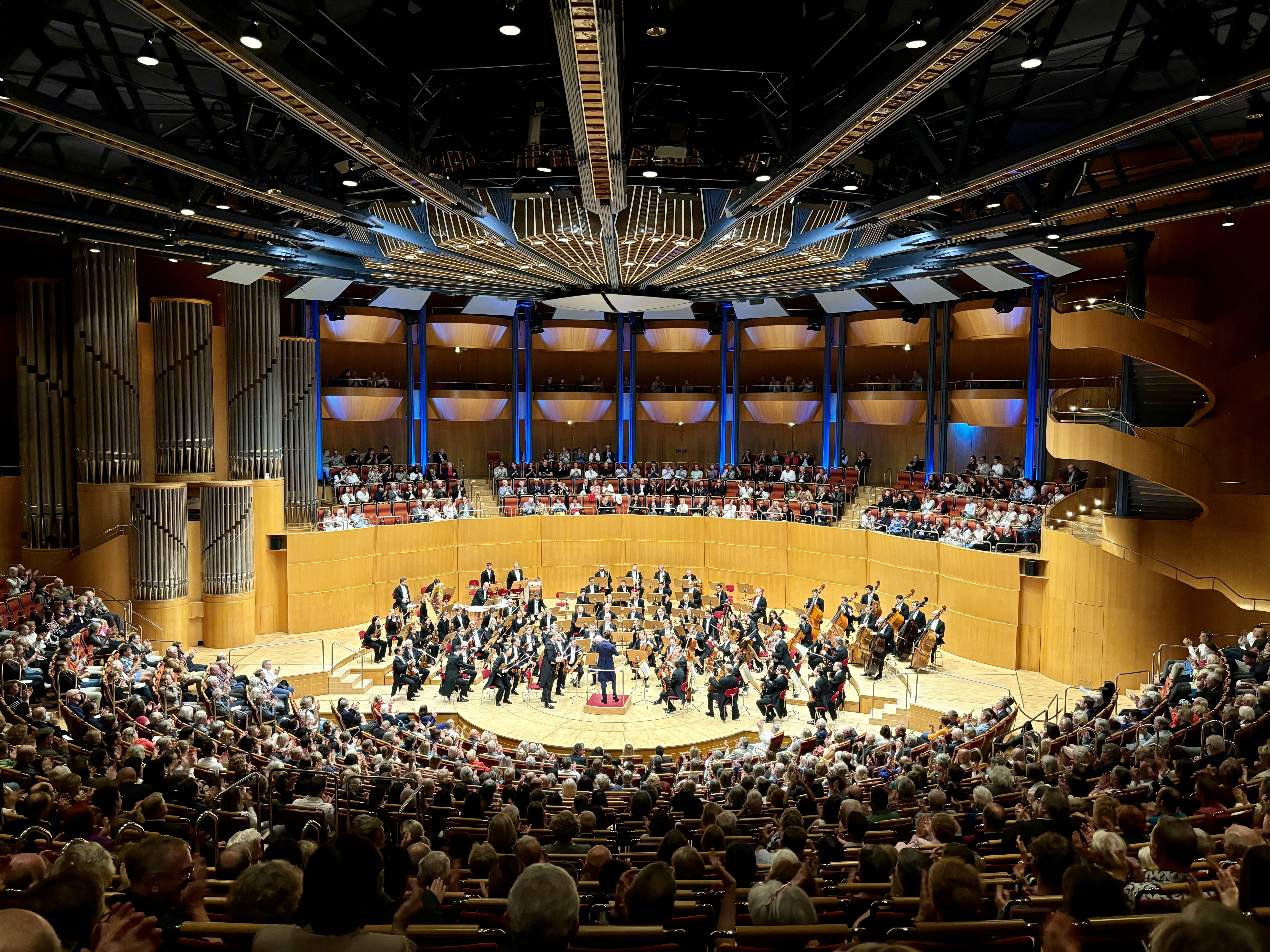
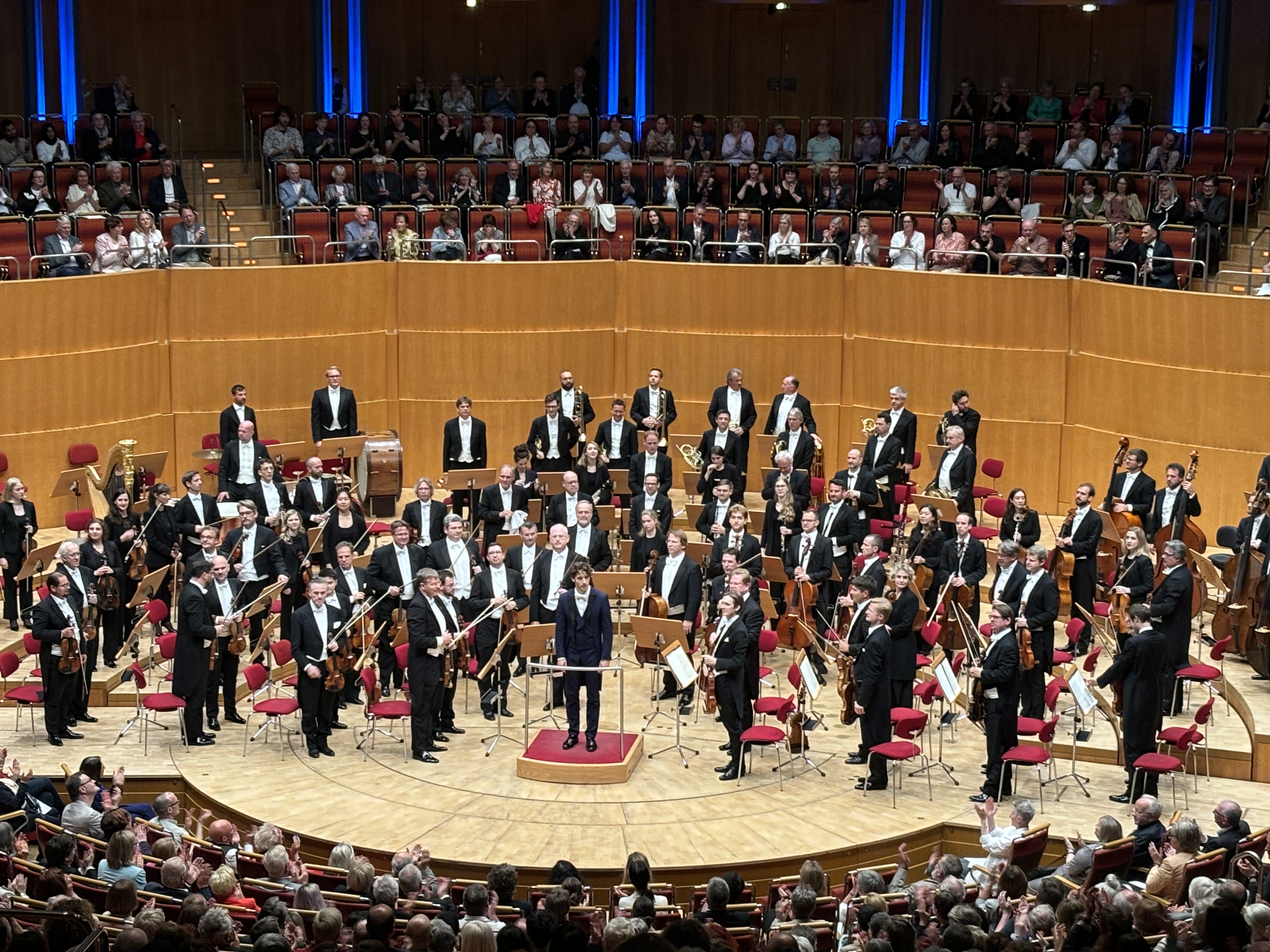
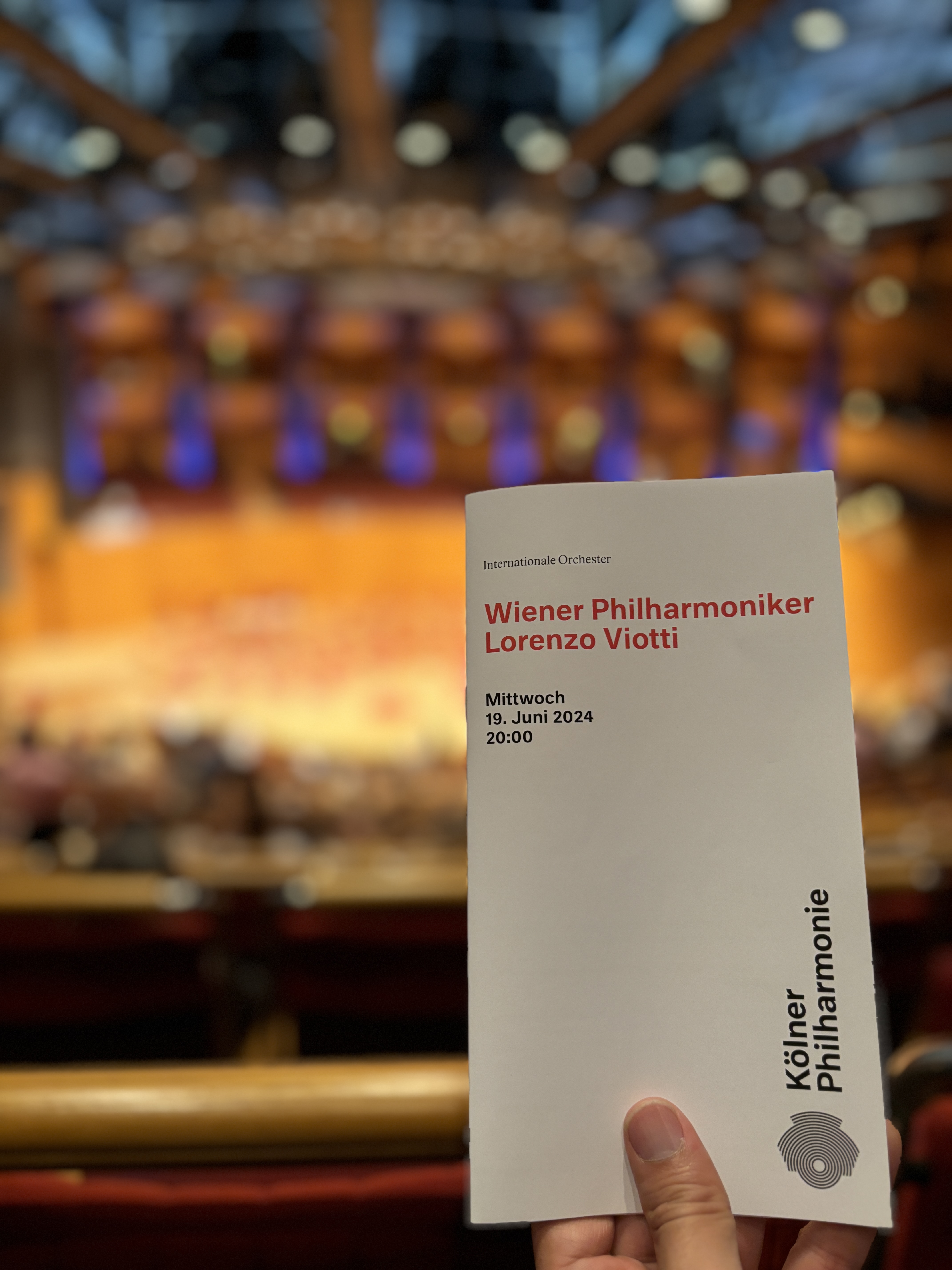
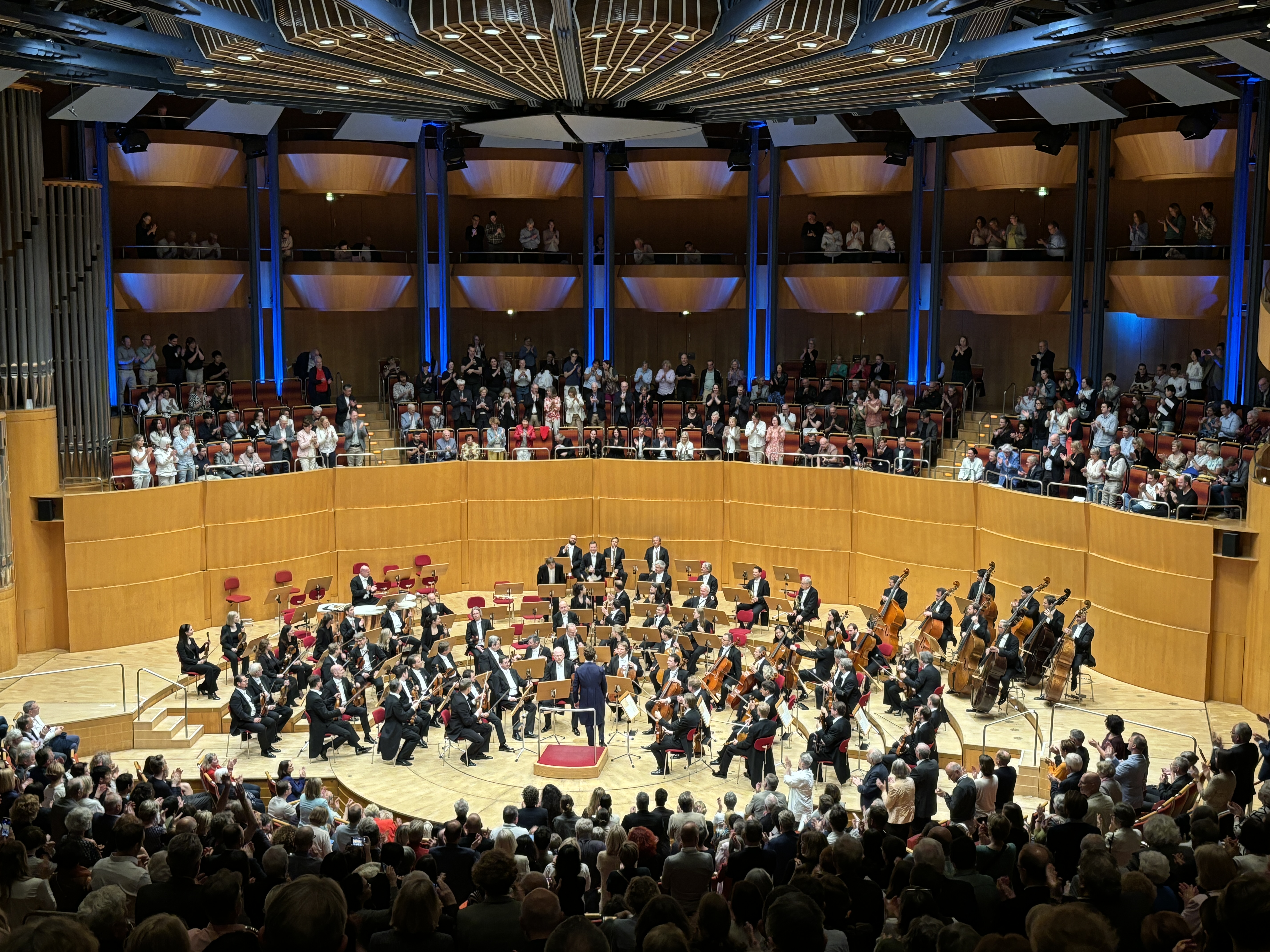
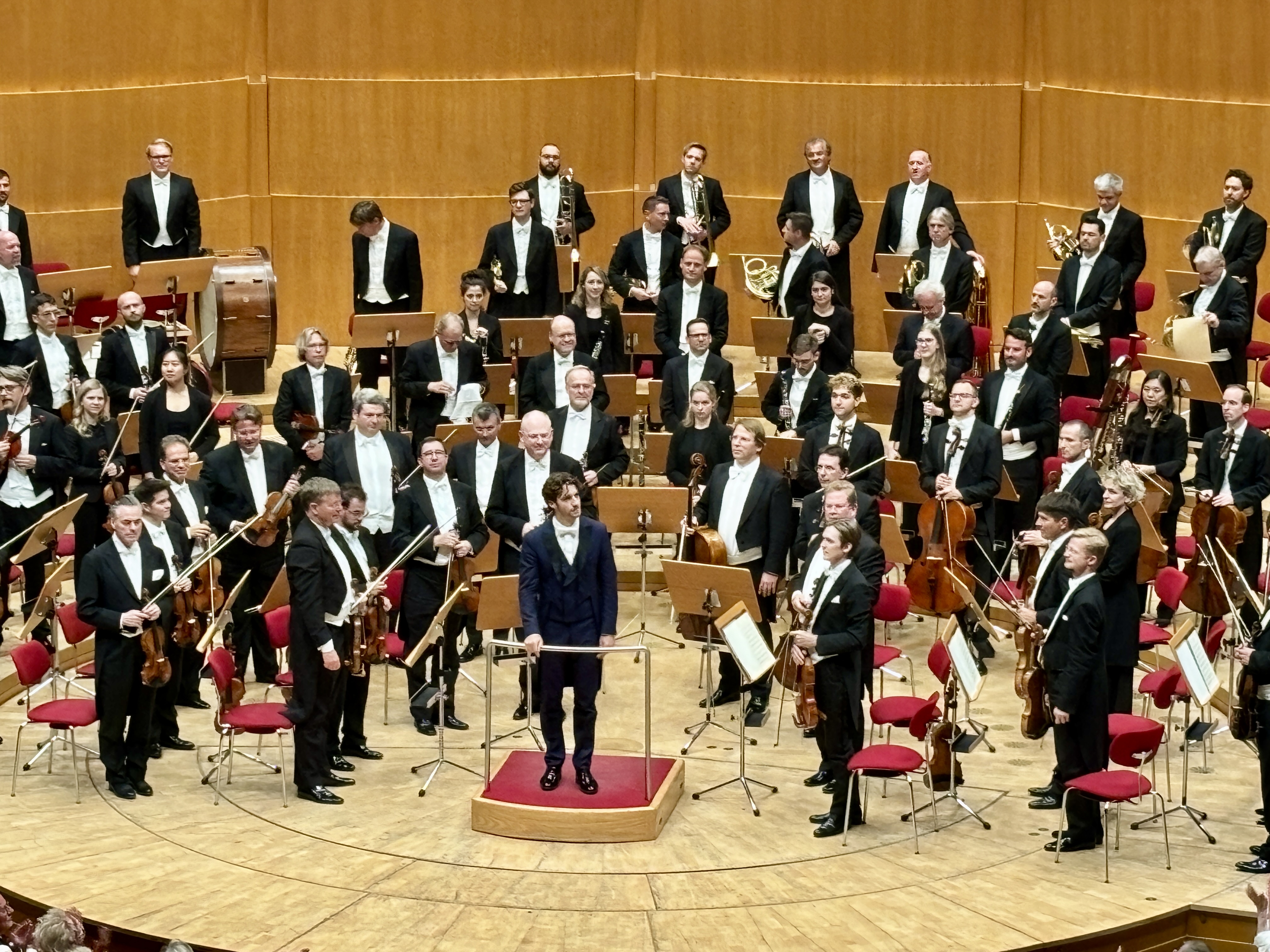
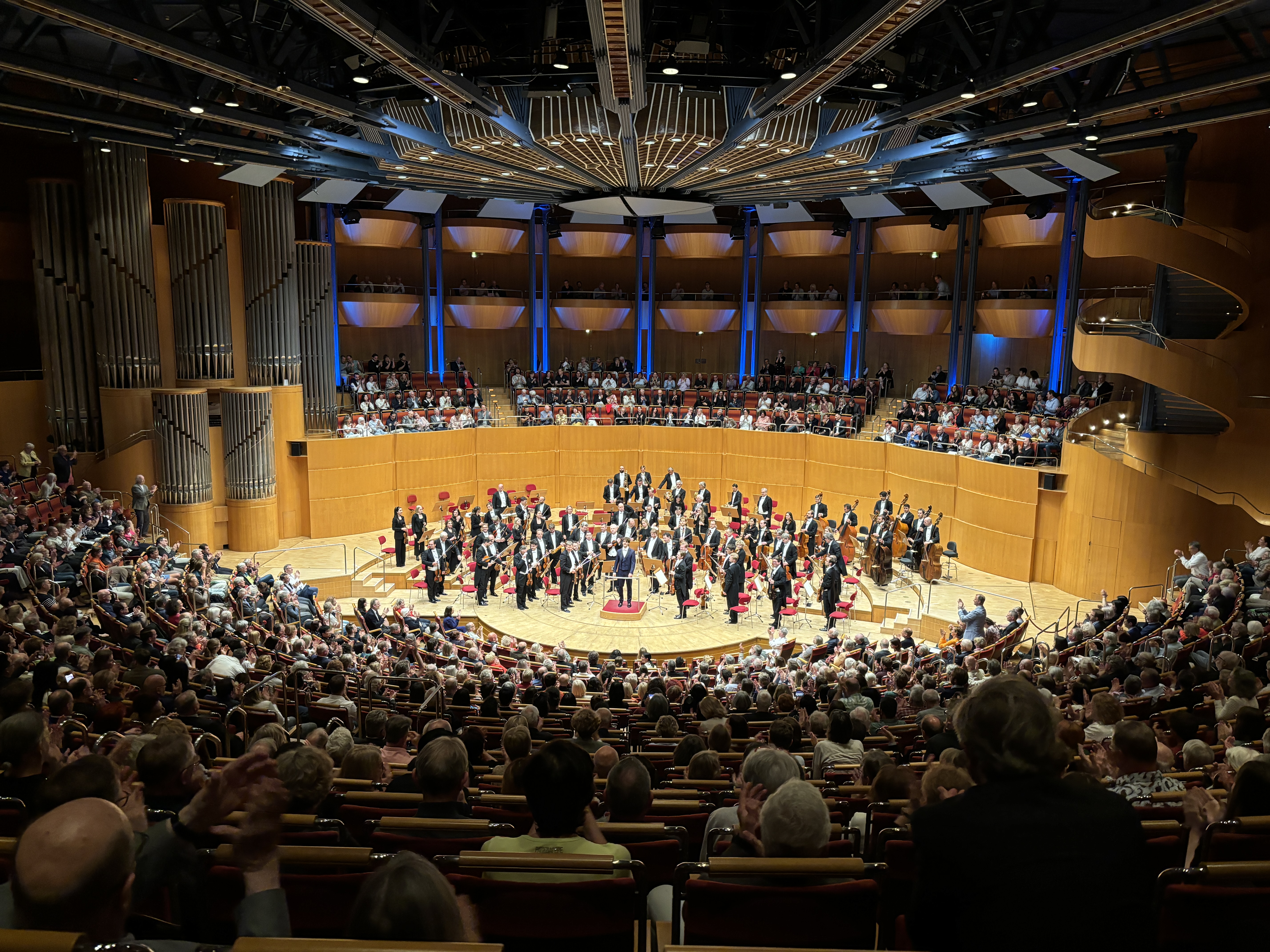
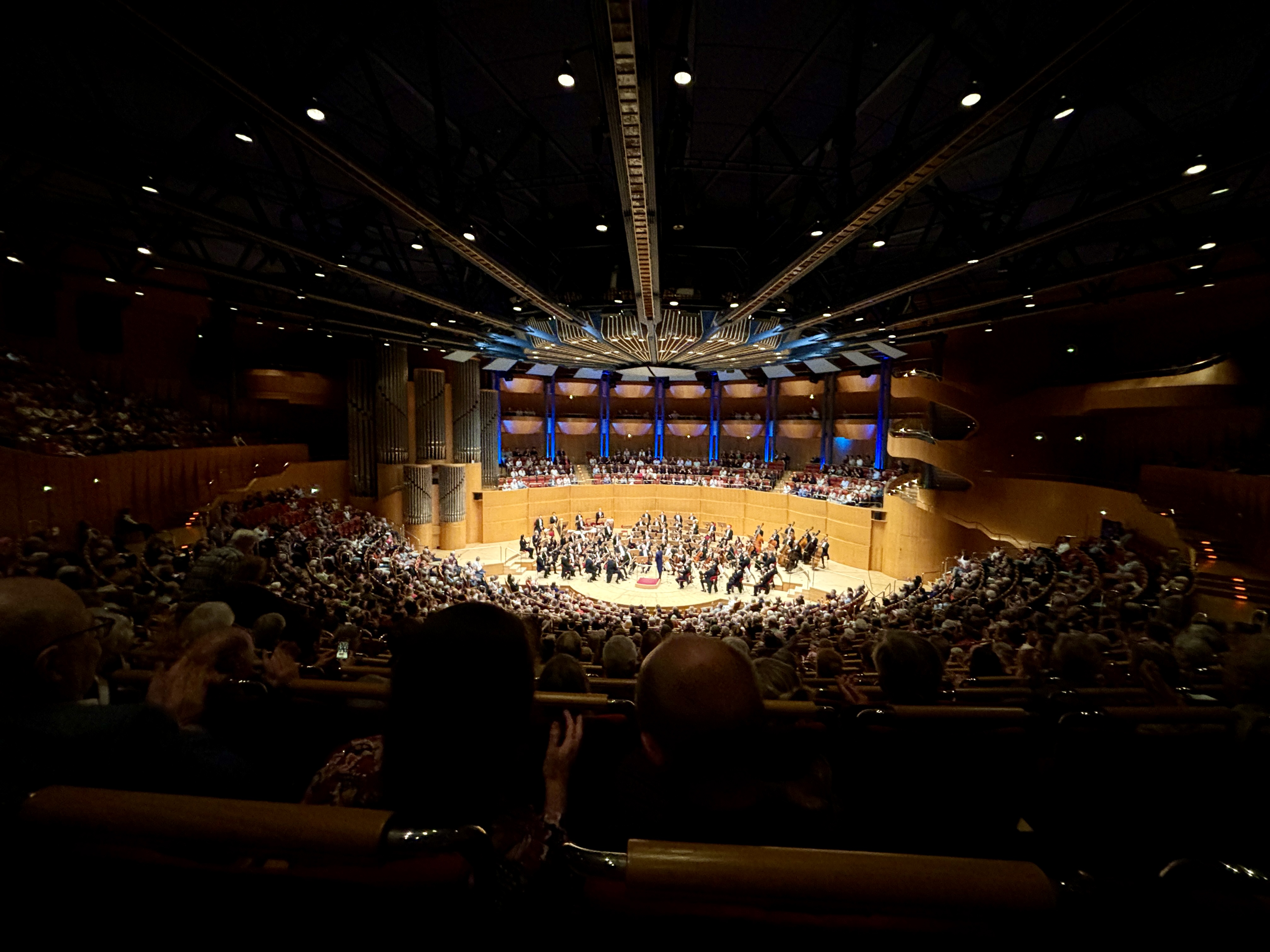
The work I was most looking forward to hearing was Rimsky-Korsakov’s Capriccio Espagnol, a piece I discovered when I was very young and which I have always loved for its rhythmic and melodic diversity. When listening to orchestras of this level, it is normal to be a bit more critical than with others, as the Vienna Philharmonic has striven to sculpt, maintain, and promote for many years an image of nobility and perfection. The first thing that struck me was that the orchestra did not always follow the conductor. In the mythical violin solo of the third movement (“Alborada”), the concertmaster began to play at a much higher speed than that indicated by the conductor. This caused the conductor to look at him and increase the tempo of the entire movement. From my point of view, this kind of situation should not happen in an orchestra of this level, although I began to think that this incident might go beyond a simple mistake and that it was rather a conflict of hierarchies and authorities between the young conductor, who is only 34 years old, and the experienced concertmaster Volkhard Steude. Anyway, this little impasse was almost an anecdote and certainly did not mark the whole evening, as there were memorable moments for such a high-level orchestra. For example, when the orchestra played in very soft dynamics or during the melodies interpreted by the clarinet, who, in my opinion, was the most outstanding soloist in the group.
Capriccio Espagnol, op. 34, by Nikolai Rimsky-Korsakov, performed by the NDR Elbphilharmonie Orchester in the fantastic Great Hall of the Hamburg Elbphilharmonie conducted by American Alan Gilbert.
The Vienna Philharmonic was founded in 1842 by the Prussian composer and conductor Carl Otto Ehrenfried Nicolai and emerged as the first independent Austrian professional orchestra. At that time, there were only professional orchestras associated with theaters or orchestras formed for specific occasions with professional and amateur musicians. From that first moment until today, the orchestra has embraced tradition as a direct path to musical excellence. Seeing the orchestra 182 years after its founding, it seemed like stepping back in time and returning to an era where gender discrimination was the order of the day. The first thing I thought when I saw the musicians on stage was, “How few women there are!”. From its foundation, the Vienna Philharmonic accepted only white men, as they wanted to promote a pure, unblemished image. Although there were sometimes women playing in the orchestra for specific programs, the first female member of this orchestra was the Hungarian harpist Anna Lelkes, who, after playing for more than 20 years with the orchestra as a “non-member,” was only included in the ensemble in 1997. This almost miraculous inclusion did not happen on the orchestra’s own initiative but was the result of pressure from different institutions, both governmental and private organizations, that promote the integration and inclusion of women in the working world. The turning point came when, before a concert at Carnegie Hall in New York in 1996, they encountered a boycott led by the International Alliance for Women in Music (IAWM), as a result of an article by the American composer and musicologist William Osborne, who criticized controversial statements made by some members of the orchestra.
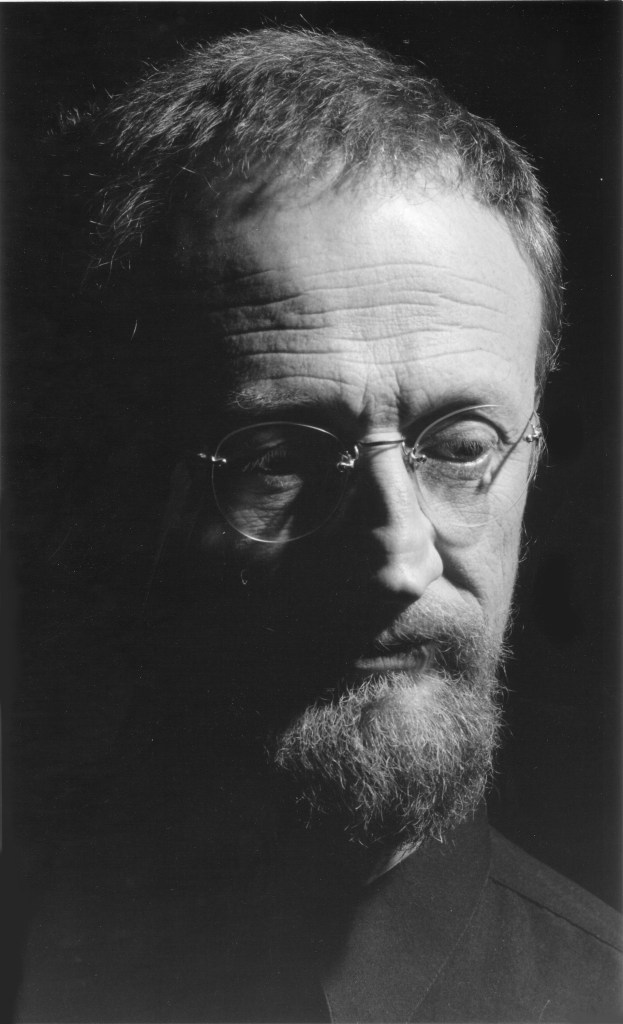
Portrait of musicologist and composer William Osborne taken from his website: http://www.osborne-conant.org/.
Many international orchestras associated race with a particular style of music making. They believed that ethnic and gender homogeneity also resulted in aesthetic superiority, fostering the false idea that talent was linked to race.1 In its eagerness to maintain an “Austrian” image, the Vienna Philharmonic also did not accept members of ethnic minorities, and if there were any foreigners, they had to look Central European (white). In a transcript of the interview entitled “Wie so geh’ nie so” (this could be translated to “How never to go like this”), broadcast on Westdeutscher /Rundfunk West German State Radio (WDR) on February 13, 1996, three musicians of the orchestra, a Viennese sociologist and a choirmaster exchanged a series of alarming remarks regarding the presence of women and foreigners in the orchestra. Sociologist Roland Goettler, who specializes in elitist groups or those who separate themselves from social norms, said: “What I have noticed, and what is interesting, is that the Vienna Philharmonic would never accept a Japanese or anybody like that. If they were to accept one, this would also call into question the noble character of Viennese culture. But this is not racist!”2 Choirmaster Elke Mashe-Blankenberg continued, “In the music world, there are many… uh… let’s say, little erotic jokes told that have to do with sexism. This doesn’t flow so freely if a woman trumpet player is sitting there. So, as the men in the group say, they should stay ‘clean’. I’ve heard this argument many times, that the women destroy the atmosphere, and the men want to stay among themselves.”3 Helmut Zaertner, the orchestra’s second violinist, said: “From the very beginning we have been talking about the special Viennese qualities, about the way of making music here […] it is not only a technical skill but something that has a lot to do with the soul. The soul cannot be separated from the cultural roots we have here in Central Europe. And it also cannot be separated from gender.” Yes, that’s how they talked about it on the West German State Radio. Based on the whole conversation, it is clear that we are facing extremely racist and sexist comments that, with great irony, dismantle the homogeneous, superior, pure, and almost perfect image that this orchestra has sought to project throughout its existence.
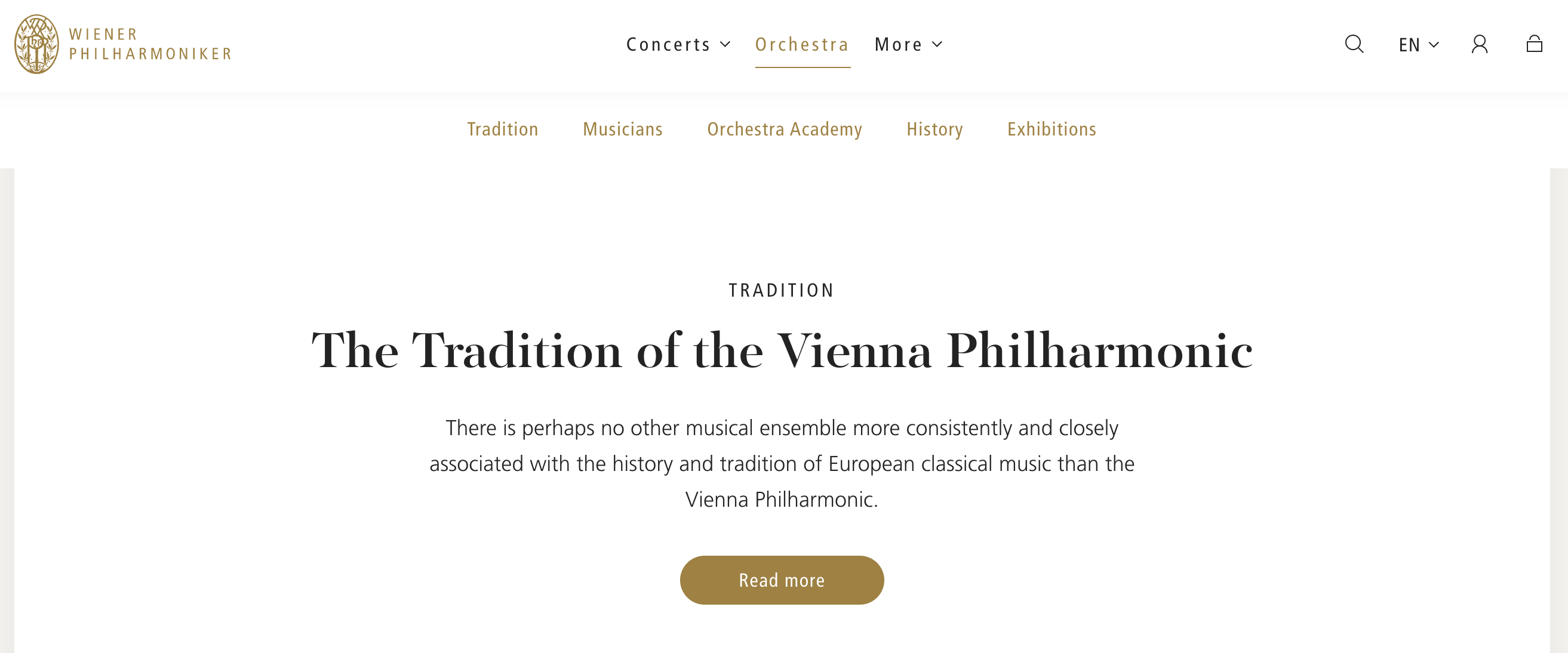
Screenshot from the Vienna Philharmonic’s website, where they boast of being a traditional ensemble, https://www.wienerphilharmoniker.at/en/orchestra.
While writing this text, I came across a documentary that does not involve the Vienna Philharmonic, but an orchestra of similar caliber. In 1994, Brenda Parkerson directed the documentary titled Abbie Conant – Allein unter Männern (Abbie Conant – Alone Among Men). Its protagonist, Abbie Conant, is an American trombonist who has been at the pinnacle of trombone performance for many years. With a vast career in the United States, Abbie was part of the orchestra of the Royal Opera House in Turin where she played in the position of first trombone. By her own account in the documentary, she liked her job, however, the orchestra played mostly Italian operas so she concluded that she should be in a higher-level orchestra. She knew that the orchestras were better in northern Europe, so she decided to apply to 11 orchestras that had positions available in Germany and Austria. Interestingly, despite her mastery of the instrument and outstanding career, Abbie only received one invitation to audition. This came from the Munich Philharmonic and was addressed to a certain «Herr Abbie Conant» (Mr. Abbie Conant). On the day of her audition, Abbie says that the entire orchestra was present. The first round was held behind a curtain, a mechanism often used by orchestras around the world to promote fair play, that is, all participants are judged purely on their musical abilities, leaving out other factors that could be disadvantageous to the candidate, such as their appearance, gender, race, among others. Abbie was contestant number 16 out of 33 in total and made it to the final round, where she was up against a German. To her surprise, she won the audition and got the job in one of the most prestigious orchestras in the world. At the time, the conductor was the very famous Sergiu Celibidache, who soon began to limit Abbie’s activities. Moreover, he would make comments like “You can’t play certain repertoire” or “You should specialize only in French repertoire.”4 Finally, he told her directly that he needed a man for the position of first trombone. From that moment on, Abbie realized that the obstacles she faced were not due to her musical talent, but to the deep-rooted male chauvinism of European orchestral culture.
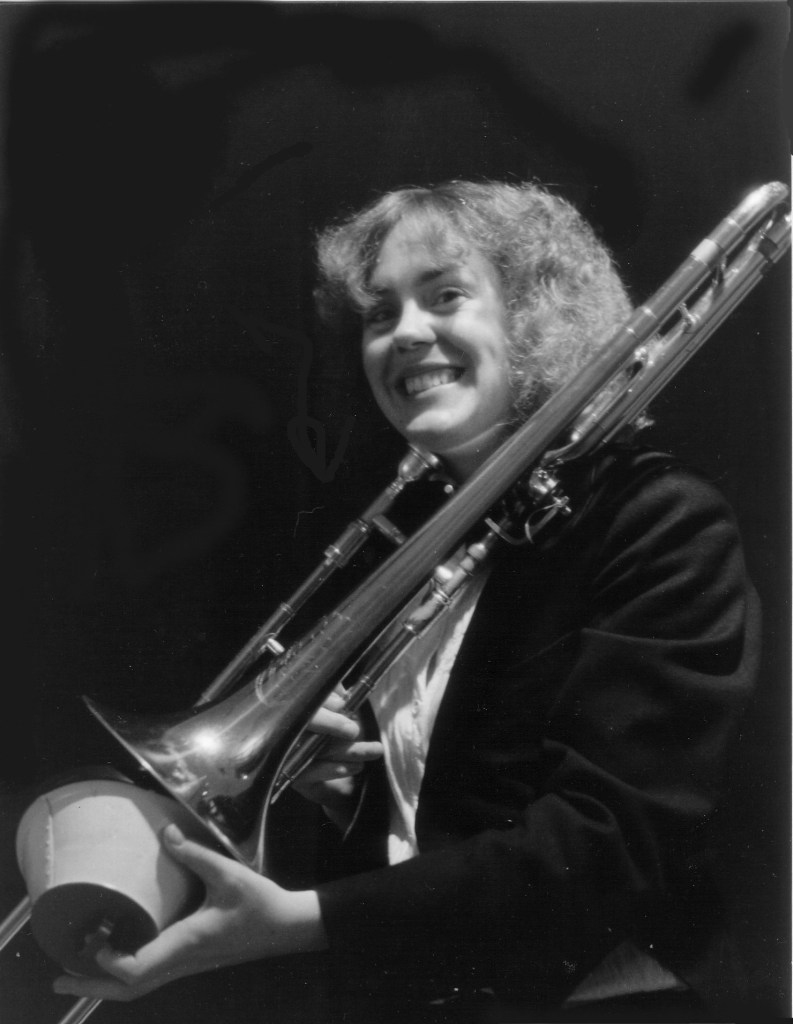
Portrait of trombonist Abbie Conant taken from her website: http://www.osborne-conant.org/.
One day, Abbie was called to a meeting before a rehearsal, where she was told that Celibidache had said, “Either she goes, or I go.” Abbie, in total shock, thought of speaking to the conductor to ask what she could do to please him, as she wished to continue in the orchestra; however, this all came to nothing. After having been insulted by Celibidache in front of the whole orchestra – for on one occasion, after coming on stage, he shouted at her: “Verlassen Sie die Stelle!” (Leave the [1st trombone] position!) – Abbie was demoted to playing the second trombone. It was after that incident that she and her lawyer decided to send a letter to the orchestra appealing the decision. Contrary to what her family and friends advised her, Abbie decided to fight for her rights. The whole process lasted approximately thirteen years, during which time criticisms were sought, possible performance errors during concerts were pointed out, and Abbie was even forced to take lung tests to see if she had sufficient air capacity to play the solo trombone. Finding no consistent (or real) evidence against her job performance, Abbie was able to regain her position as first trombone, although Celibidache ordered that her salary be reduced significantly below what she deserved. Yes, Celibidache went to the extreme of doing something illegal because of his privileged “untouchable” position and his stubborn, chauvinistic mentality. Abbie and her husband, the previously mentioned musicologist William Osborne, decided to contact the Center for Women’s Equality, denouncing the unfair pay and professional treatment Abbie was receiving. The response from the center’s director to everyone’s shock, was that Abbie should wait until the Munich Philharmonic had a more woman-friendly conductor. Not even the many letters Abbie and her husband sent to Georg Kronawitter, the mayor of Munich at the time and a fervent admirer of Sergiu Celibidache, nor the lawyers of the union representing the orchestral musicians, who were supposed to have helped them, were hopeful. Kronawitter’s final response was that they should stop insulting the «Maestro.» This incident undoubtedly attracted the attention of many in Germany, although the Munich Philharmonic was not exempt from controversy because of its conductor. Sergiu Celibidache, clearly an egomaniac, constantly criticized and minimized the work of his fellow conductors and musicians. During a tour of the orchestra in Spain, specifically in Madrid, Celibidache spoke of many musicians in a derogatory manner. What got into the press was his way of referring to the celebrated German violinist Anne-Sophie Mutter, of whom he said, “She’s like a chicken playing the violin.”5 After all that the trial entailed and the little support that she received both from her colleagues in the orchestra and from the city itself, Abbie Conant left the orchestra that gave her so much trouble and became the first woman professor of a trombone chair in Germany at the Staatliche Hochschule für Musik Trossingen (Trossingen State University of Music).
The documentary Abbie Conant – Allein unter Männern (Abbie Conant – Alone among Men), in English and German, is available on YouTube.

Photo of Sergiu Celibidache obtained from the website of the Munich Philharmonic: https://www.mphil.de/en/label/sergiu-celibidache.
The story of Abbie Conant and the various forms of discrimination she faced just for being a woman leaves considerable room for thought. While one could argue that this happened in the 1980s and that we have come a long way as a society since then, the truth is that this is not the case, nor is progress being made at the same speed everywhere. Returning to the initial topic of this text, it is amazing that, while most European orchestras strive to maintain a diverse and balanced staff, the Vienna Philharmonic still maintains a traditional mentality and an old-fashioned image, doing little to change it. For those of us who attend concerts regularly, it is a bit strange to walk into a magnificent concert hall and see only a handful of women and almost no foreigners on stage, almost as if we were still in a colonial society. This is undoubtedly a pity, as I doubt that the orchestra would drop in level just to include those “others” who have been ignored for almost two centuries.
Today, the Vienna Philharmonic has 21 women out of a total of 142 members and no women in the trumpet, trombone, and percussion ranks, instruments usually attributed to men. The Munich Philharmonic presents a slightly more hopeful picture, although not enough, as it has 35 women out of a total of 118 musicians and no women in those problematic positions either. As I mentioned at the beginning, the Vienna Philharmonic Orchestra’s concert in Cologne was fantastic and we enjoyed it very much. The execution of the pieces was impeccable, and the sound quality was extraordinary. However, the concert left me pensive and with a bitter taste as I reflected on the current situation in the world of classical music. Despite the obvious talent and artistic excellence of the orchestra, it is disconcerting to see how old traditions and barriers to diversity and inclusion still persist today.

Footnotes:
- Osborne, William (1996) Art Is Just an Excuse. Gender Bias in International Orchestras. IAWM Journal, pp. 6-14. http://www.osborne-conant.org/excuse.htm ↩︎
- WDR interview https://www.sas.upenn.edu/~traister/vpo.html (own translation). ↩︎
- Ibid. ↩︎
- Excerpts from the documentary Abbie Conant – Allein unter Männern by Brenda Parkerson, https://www.youtube.com/watch?v=TvFw6KX8VVs&t=49s ↩︎
- Rubio, A. F. (1991, October 10). Celibidache contra todo. El País. https://elpais.com/diario/1991/10/11/cultura/687135609_850215.html?event=regonetap&event_log=regonetap&prod=REGONETAP&o=regonetap ↩︎
 Music & Beeats
Deja un comentario