
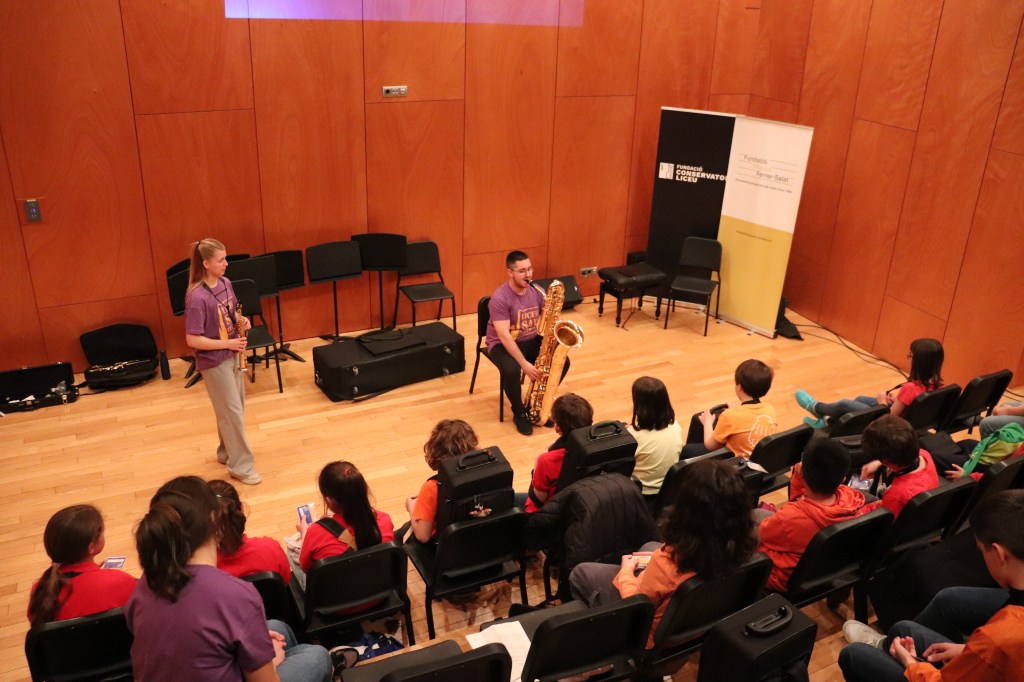
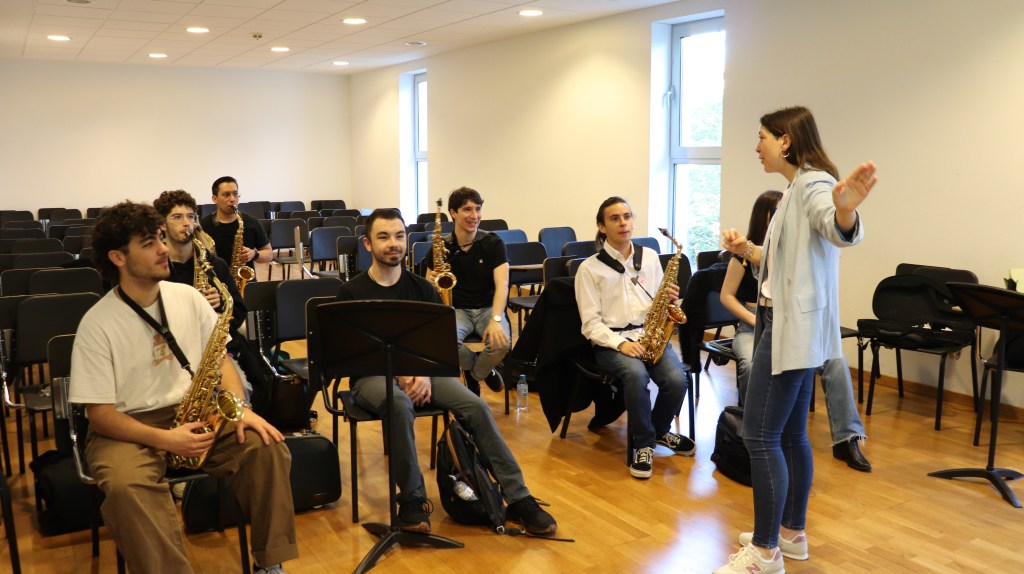
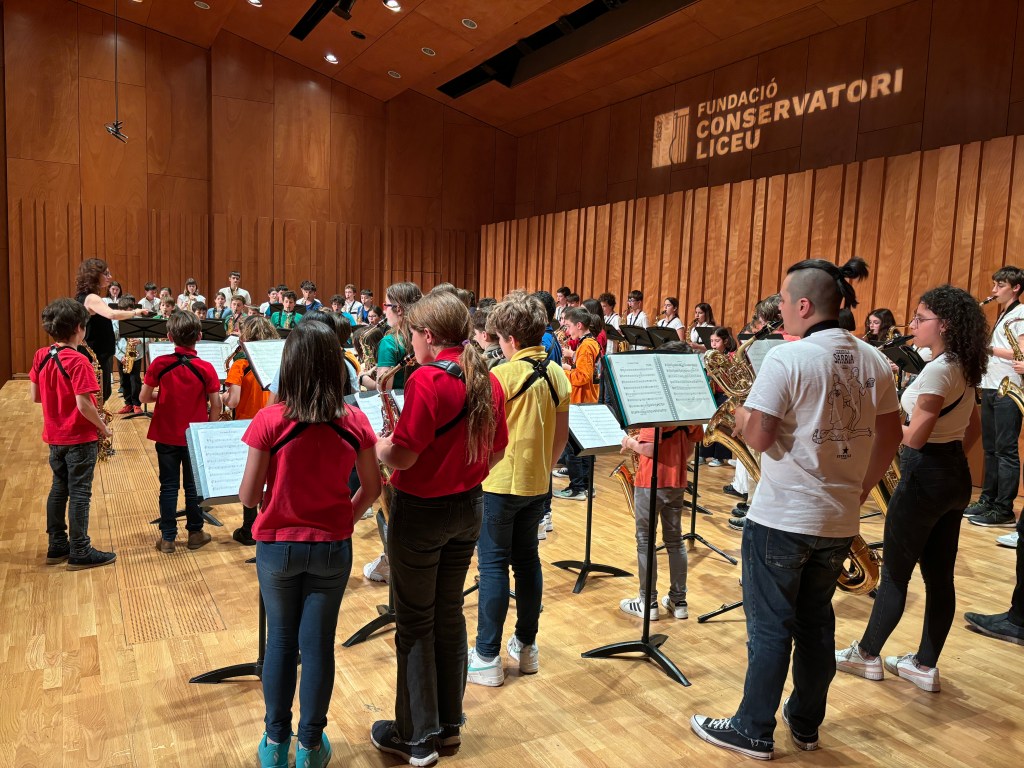
The Liceu Sax Festival 2024 took place between April 12 and 14 of this year. It is an event that occurs every two years at the Conservatori Liceu, a pedagogical institution created in 1837 in Barcelona. The festival is organized by the Catalan saxophonist Albert Julià along with his saxophone class and features concerts, master classes, workshops, and other activities. In addition to standing out for their high technical and musical level, the students in this class cultivate close relationships with each other, which contributes to a positive and joyful atmosphere. This aspect is rarely found in high-level conservatories, as ambition and competitiveness among students tend to cause internal conflicts, which are rarely addressed.


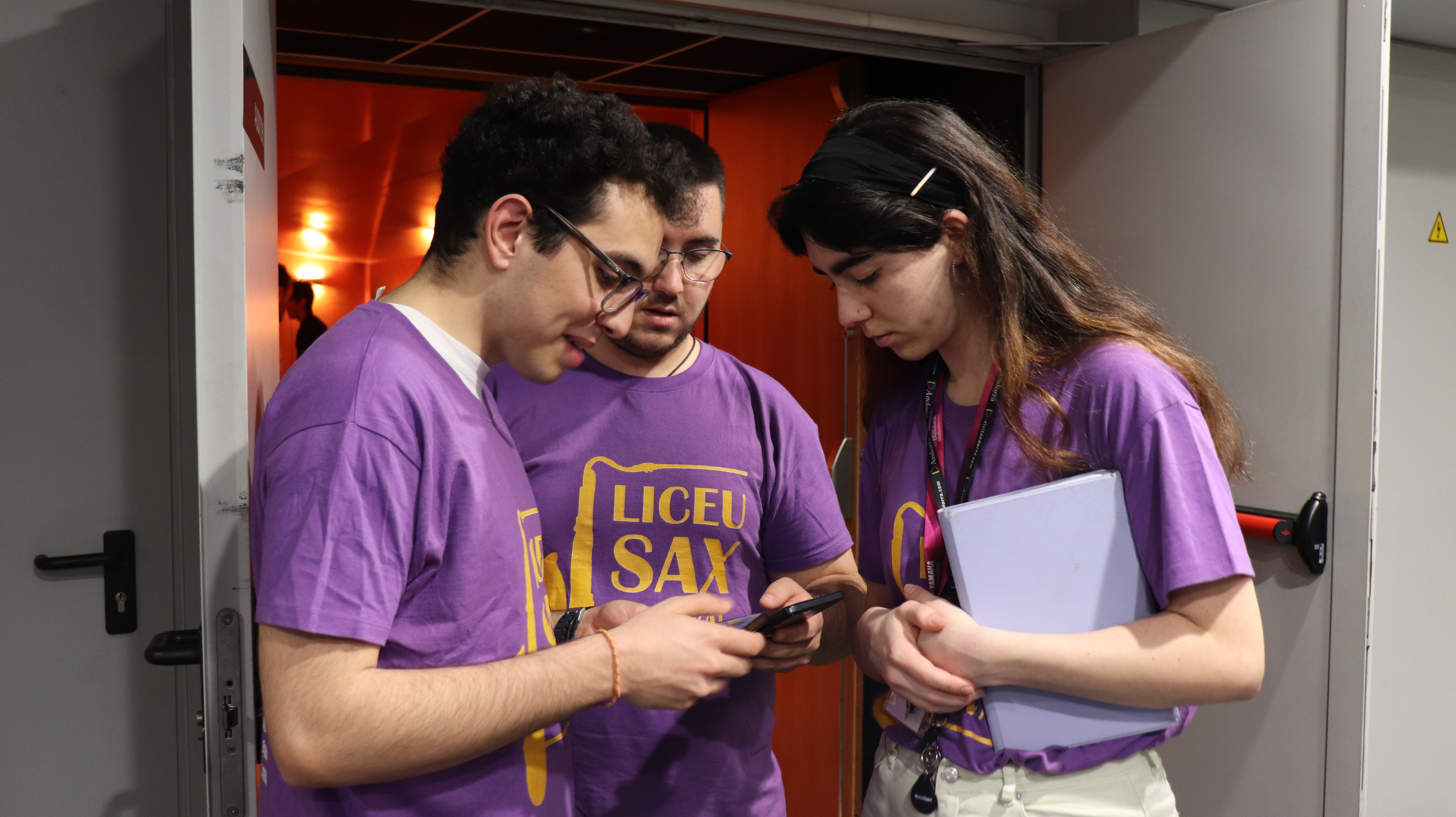
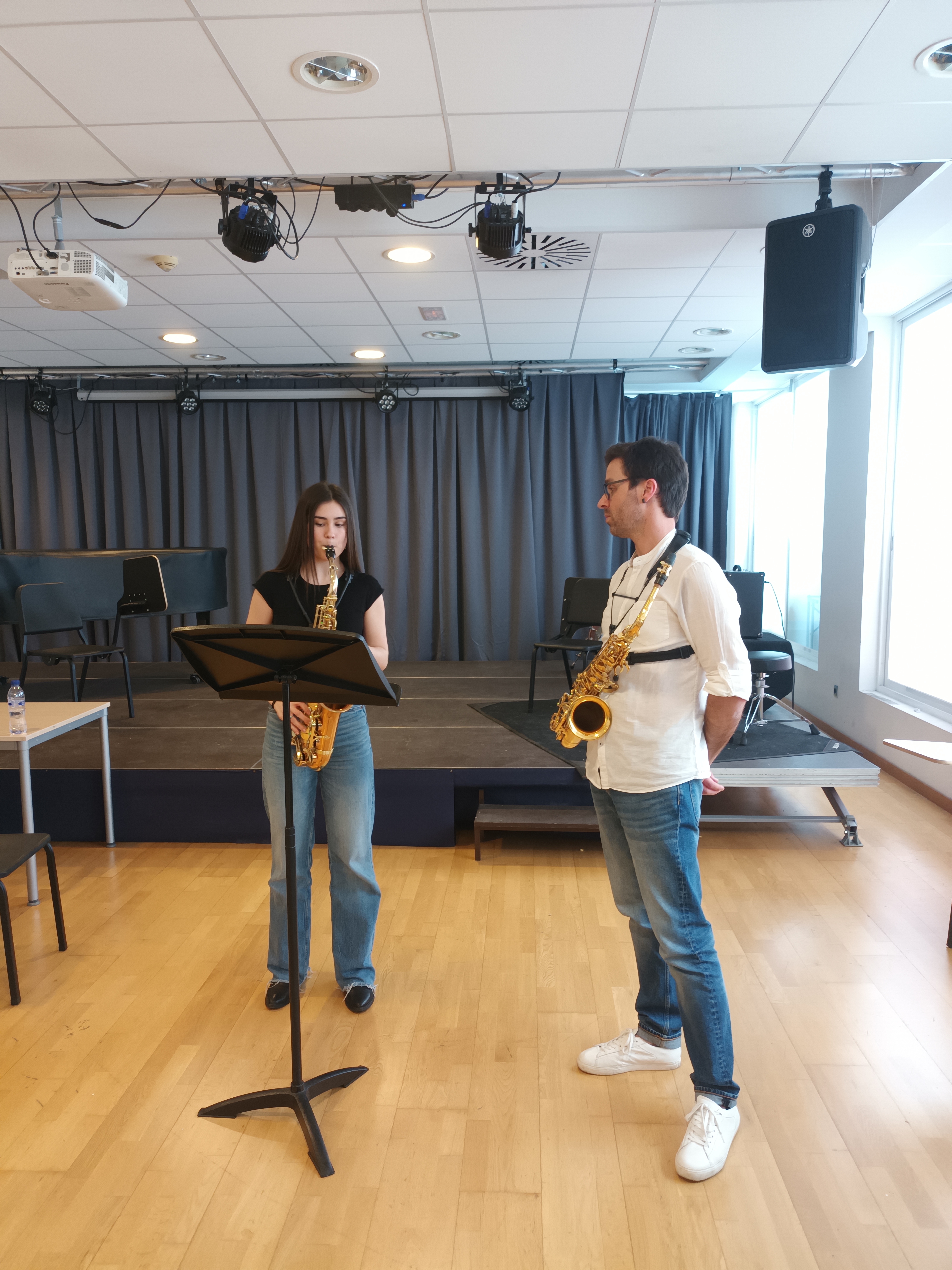

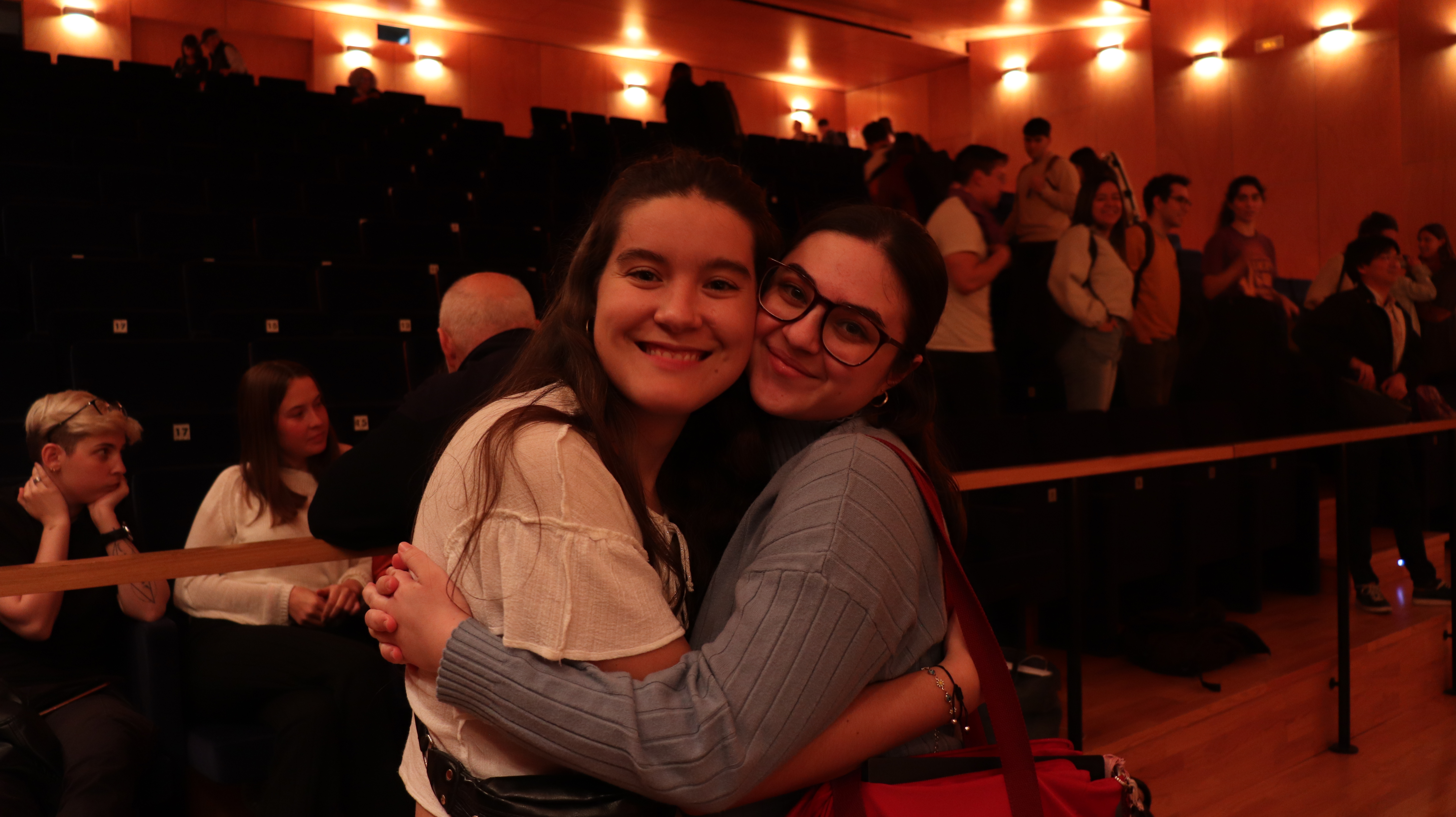
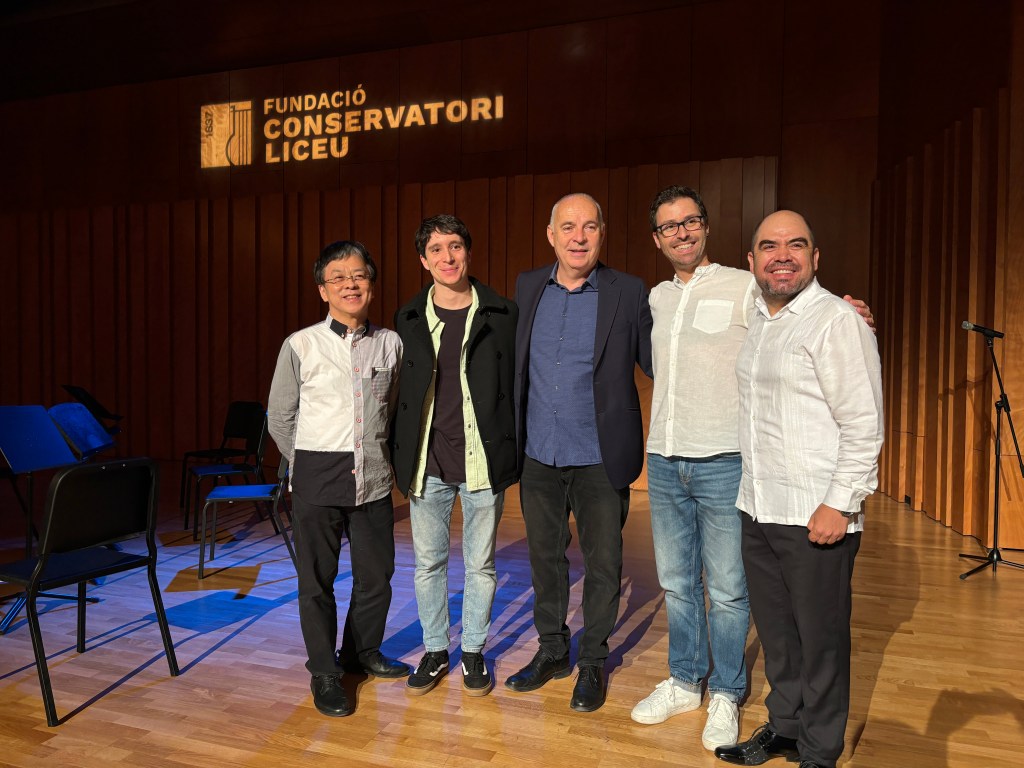
The first time I was at the Liceu Sax Festival was during its fourth edition in 2020, just a few days before the worldwide shutdown due to the COVID-19 pandemic. At that time, I was studying a master’s degree in chamber music with my quartet thanks to a scholarship granted to us by the same conservatory. In that edition, the guest artists were the French saxophonist Jean-Ives Fourmeau, the Polish saxophonist Pawel Gusnar, and the Portuguese saxophonist João Pedro Silva. I remember playing with the Barcelona Sax Project, a saxophone ensemble that is organized for each edition of the festival and in which musicians who are already part of the working world participate. I remember the conferences I attended, the master classes I listened to, and how pleasant it was to share with other young saxophonists. This year, I had the pleasure of meeting again with João Pedro Silva, invited to this edition together with the Japanese saxophonist Nobuya Sugawa, the Colombian Javier Ocampo and the young Basque saxophonist Iñaki Bermúdez.


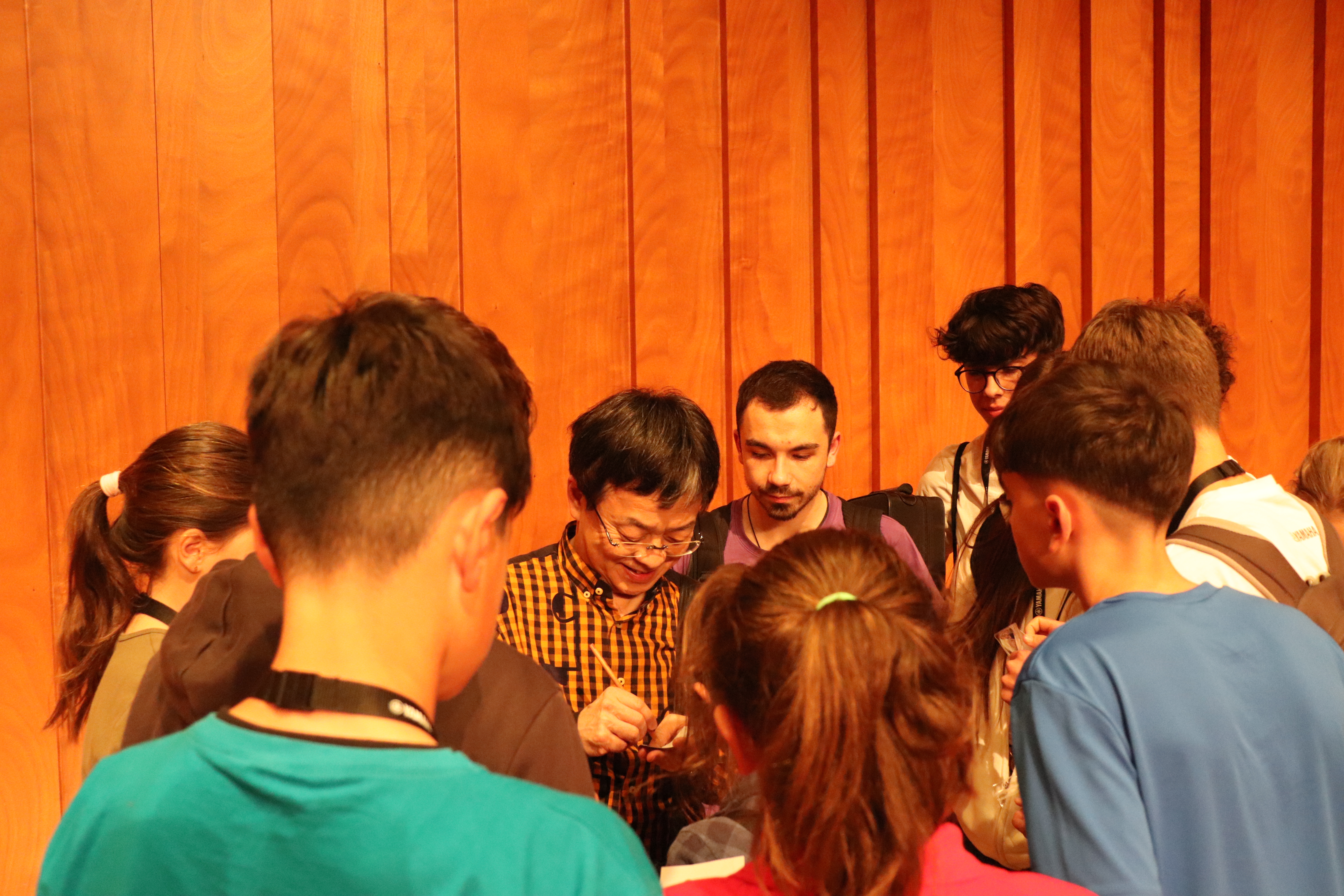
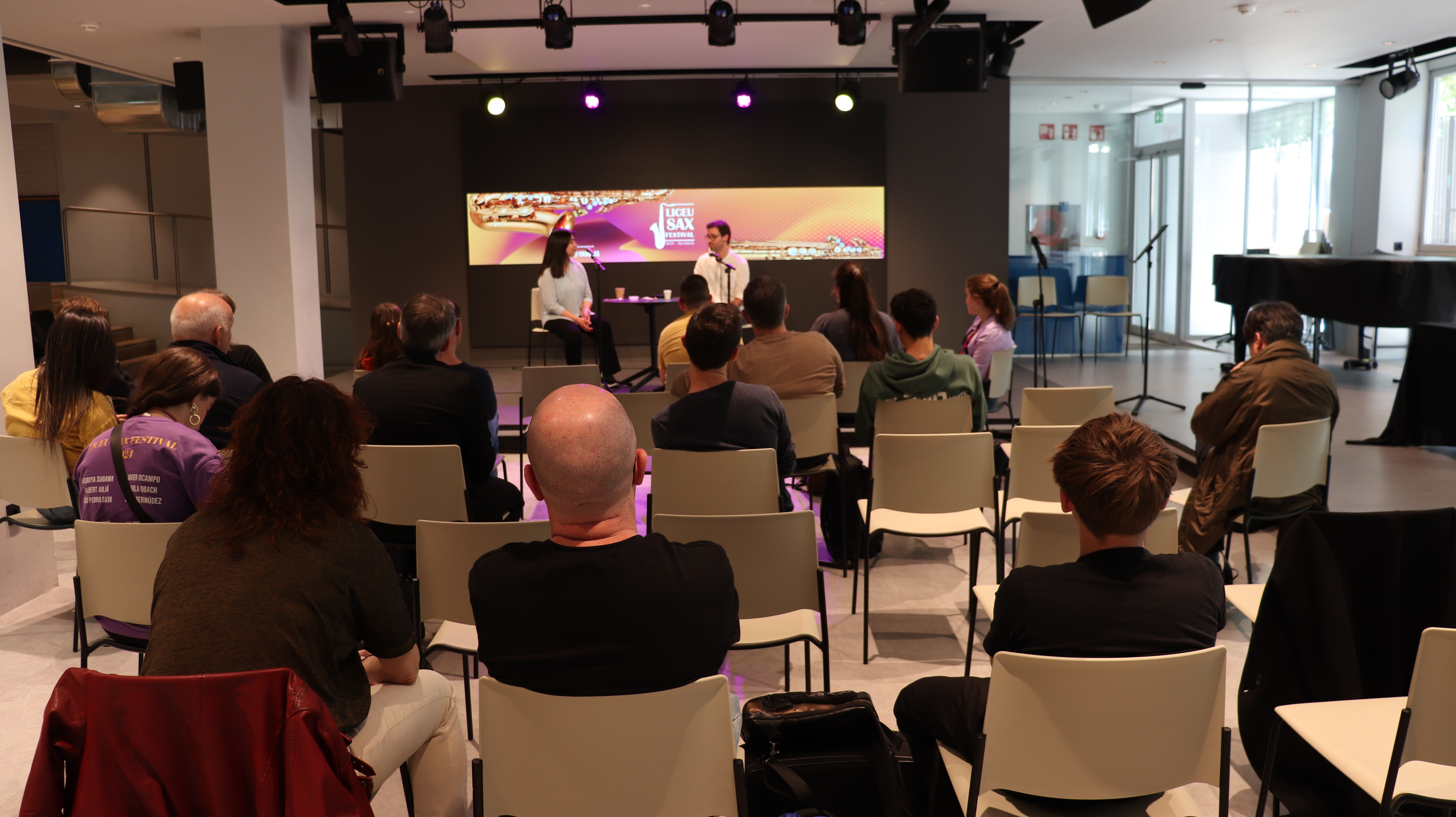
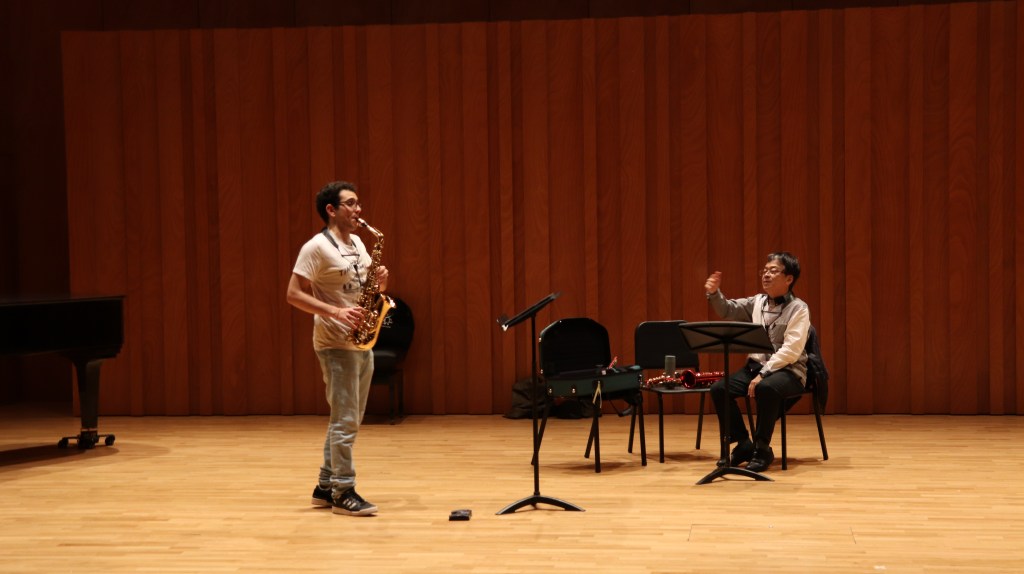
This time, and thanks to the fact that I was living in Barcelona, I was able to participate in the festival, but from another perspective. My tasks revolved around the moderation, firstly of «L’Hora del Cafè», an instance of relaxed conversation with the guests, and secondly in the round table on music pedagogy. The first coffee hour was with Nobuya Sugawa, known as Sugawa-sensei or Sugawa-san, one of the superstars in the world of classical saxophone and who has always been a reference for me since I started studying saxophone back in Chile. During my career as a saxophonist, I have had a couple of masterclasses with him, the most recent being with the Quartet Vela in Aarhus, Denmark. However, I had never been able to chat with Sugawa-san and this time it was possible with the help of a translator. The attendees were also able to ask many questions, and what surprised us all the most was that Sugawa-san considers himself a saxophonist who still needs to practice and work hard. What I thought at the time was, «if he doesn’t consider himself a good saxophonist, what’s left for the rest of us?». However, this is a typical characteristic of the people of Japan, who excel at working hard until they reach perfection in all areas, no matter how long it takes them to do so. I remember watching the documentary Jiro Dreams of Sushi (2011), by American director David Gelb, a feature film that chronicles the life of Jiro Ono, an 85-year-old sushi master and owner of Sukiyabashi Jiro, a three-Michelin-starred restaurant in Tokyo. Only ten diners can be served here at a time, and international celebrities such as Barack Obama have dined there. The documentary revolves around Jiro’s constant search for perfection in the art of sushi. What surprised me most, however, was that the chef in charge of preparing the tamagoyaki, a Japanese egg omelet, had spent ten years only perfecting his egg cooking technique. He had no interest in learning or managing anything else within the restaurant, as his only obligation was to cook the tamagoyaki to perfection. At the time, this seemed almost absurd to me; how could anyone devote a large part of their professional life to cooking eggs? Now, though, I realize that this task was not so far removed from what we musicians do. We spend years trying to improve our technique, repeating the same exercises, doing ascending and descending scales with all possible variations, playing sustained notes for a long time, among many other things.


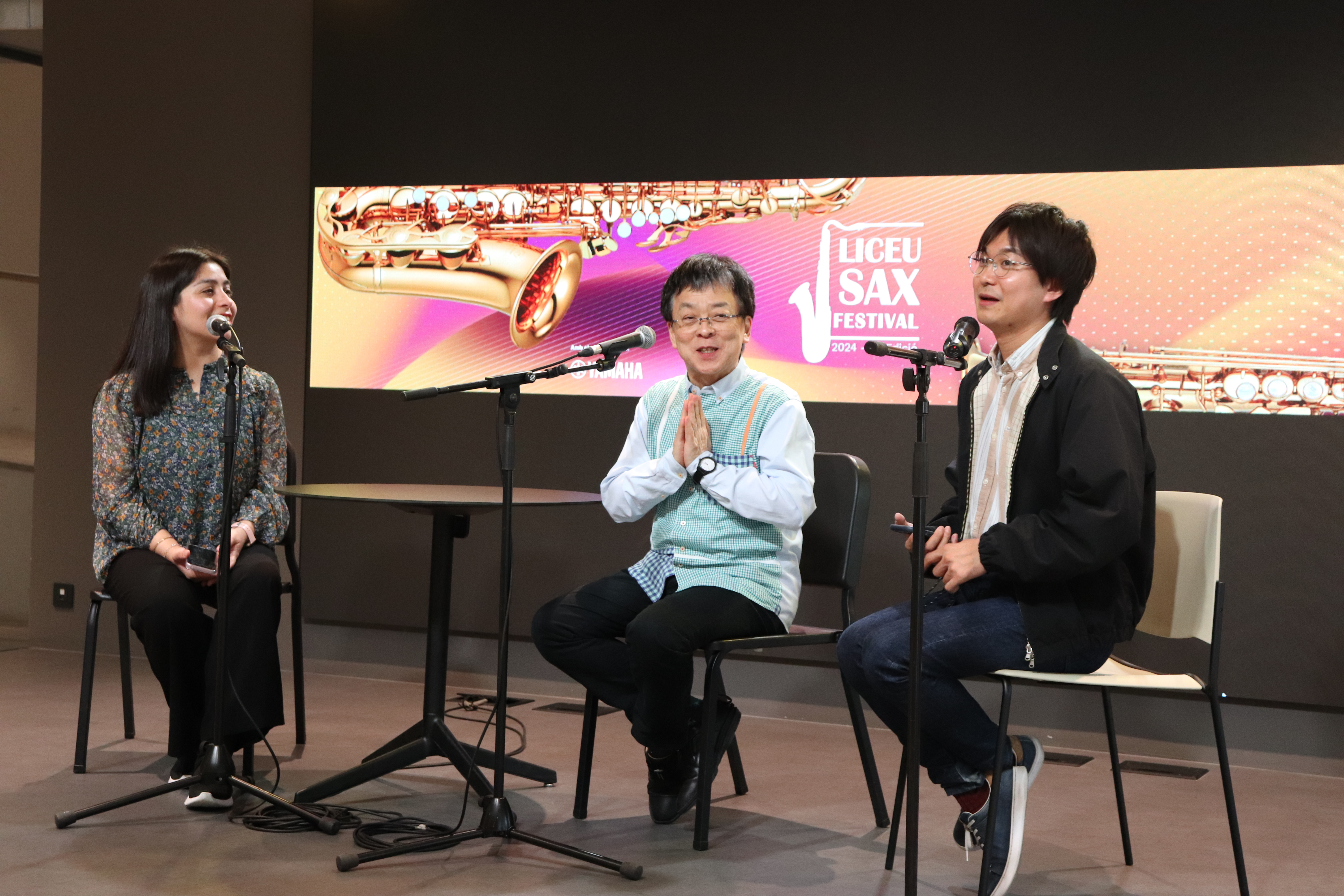

In addition to sharing details of his way of practicing and preparing repertoire for his concerts, Sugawa-san insisted on sharing a very important piece of advice with all the attendees. For him, it is and has been very important to be a performer throughout his life. However, he stressed the importance of having a «plus one» (something else). By this, he meant doing more than just playing classical saxophone, such as developing the ability to compose, play jazz, for example. This made me think a lot, because there are very few teachers who give you this kind of advice in the classical music world. The normal thing is that they instill in you a never-ending obsession to reach perfection in terms of mastering the instrument and nothing else, as exploring other areas could be considered «distracting.» During my studies, this always created an internal conflict for me, as I have always had other interests and abilities, but never had much free time to look into them, because every day I was busy practicing for endless hours. So, I was very happy that such an important musician as Sugawa-san shared this advice with all of us, especially to inspire young saxophonists starting their professional music careers.


Another interesting point of the festival for me was the debate that took place around music pedagogy. For many years, I have had a rather critical opinion regarding how music is taught in conservatories around the world. This issue was portrayed in the film Whiplash (2014), where you can see the psychological and sometimes physical mistreatment that elite musicians often face. Although I never suffered physical abuse during my studies, many of my peers and I did experience psychological mistreatment disguised as derogatory and destructive statements in the name of this relentless pursuit of perfection. In this hierarchy, the teacher is almost given the status of divinity, something quite normalized in elite institutions, whether music or dance conservatories. However, this way of teaching is nowadays obsolete. Although it is good that there is a hierarchy between teacher and student, it should never cross the limits of respect. Just because some musicians are considered world stars in their fields, this does not mean that they have total control over the student’s life, and certainly does not give them the right to denigrate their young apprentices. These negative patterns only generate harmful feelings that threaten the physical and psychological well-being of the students. Curiously, this antiquated teaching method leads teachers to completely forget their main task in education: to instruct and guide the student and not to demonstrate who has more power in the classroom. During the second coffee hour, I was able to talk with saxophonist João Pedro Silva, who has an outstanding musical and pedagogical career. I was very happy to hear the positive comments from those who had a master class with him. João Pedro is a very approachable person, easy going and kind to everyone, aspects that are also reflected in his way of teaching. During our conversation, he emphasized the importance of communication when guiding a student, an aspect on which everyone present agreed.
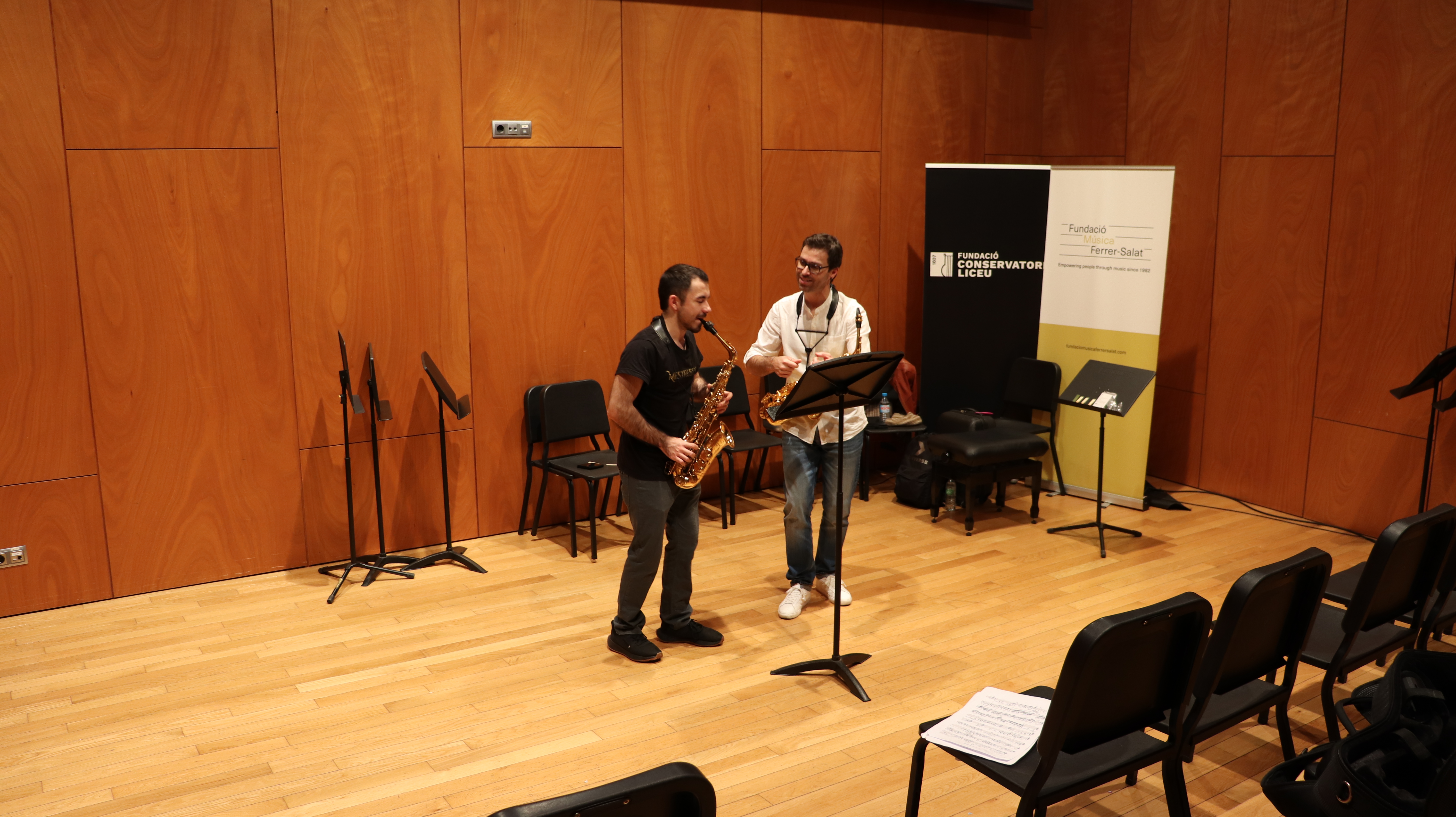


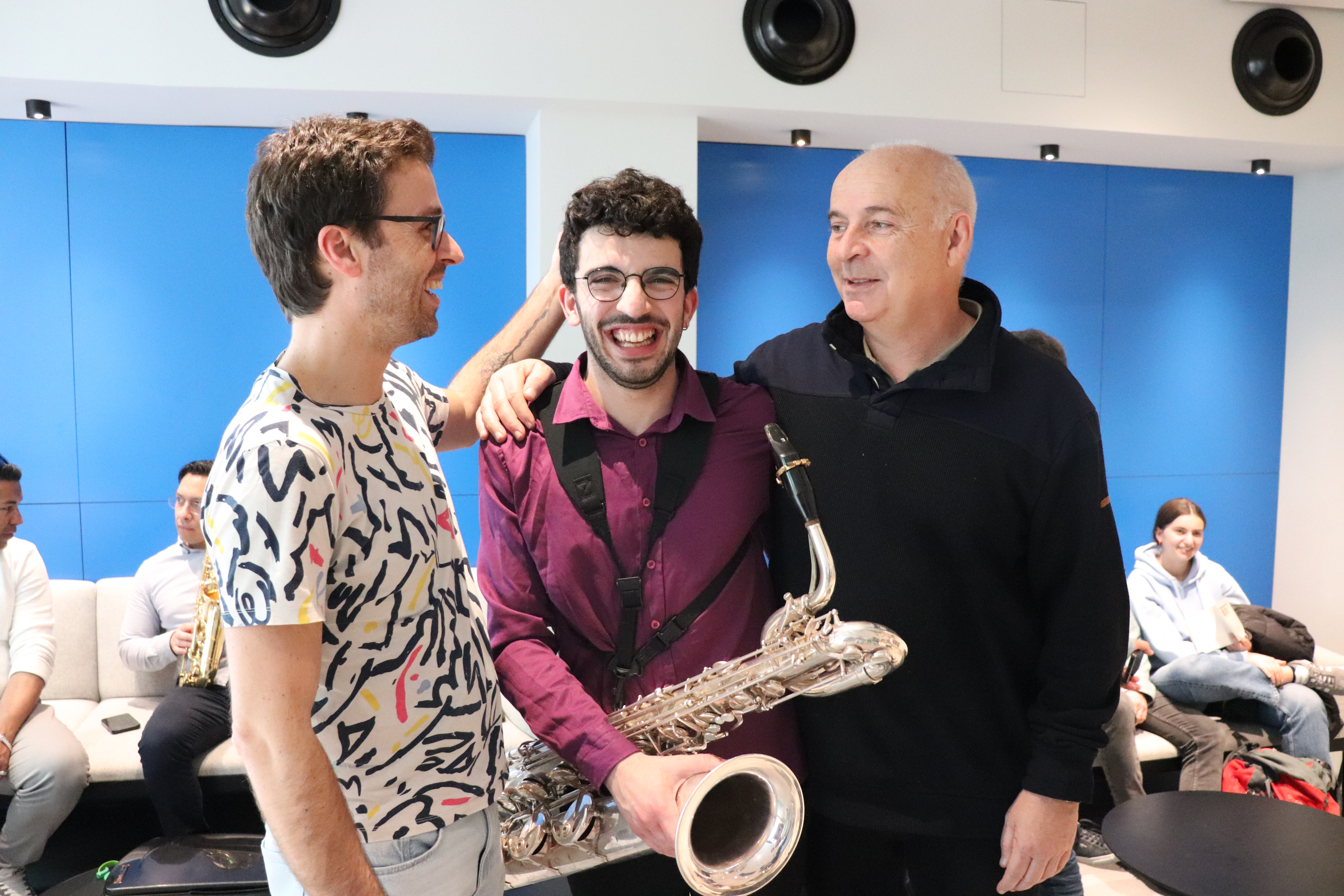

As a last task, I had to present the concerts that were part of the festival. At first, it felt like my contribution was rather insignificant, however, I realized that I was wrong and tried my best to make the most out of it. As a result, I had many sporadic appearances on stage that turned out to be more dynamic than I had planned. All in all, I loved being part of this edition of the Liceu Sax Festival where I was able to remember what it means to be a performer, meet the new generation of saxophonists from the conservatory, and spend time with old friends. Nevertheless, what I liked the most was to see that times are changing and that the experience inside an elite conservatory does not have to be at all negative. The new generations are more accustomed to talking about issues such as mental health, personal self-esteem, and self-worth, issues that were non-existent in the old educational model of elite musicians. This does not mean that the essence of a conservatory, reflected in the student’s admiration for his or her teacher, will be lost, but rather that the door will be opened to greater dialogue and exchange of ideas around a healthy and edifying teaching formula for all.





Acknowledgement:
I would like to thank the legendary Albert Julià for inviting me to be part of this edition of the Liceu Sax Festival and the saxophone class of the Conservatori Liceu for allowing me to use many of their photos for this publication.

 Music & Beeats
Deja un comentario